The Green Planet
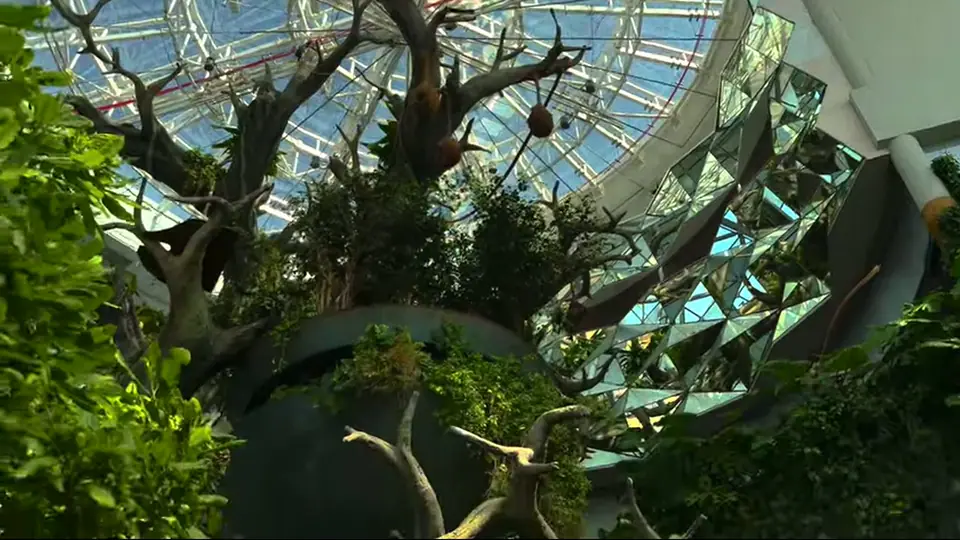
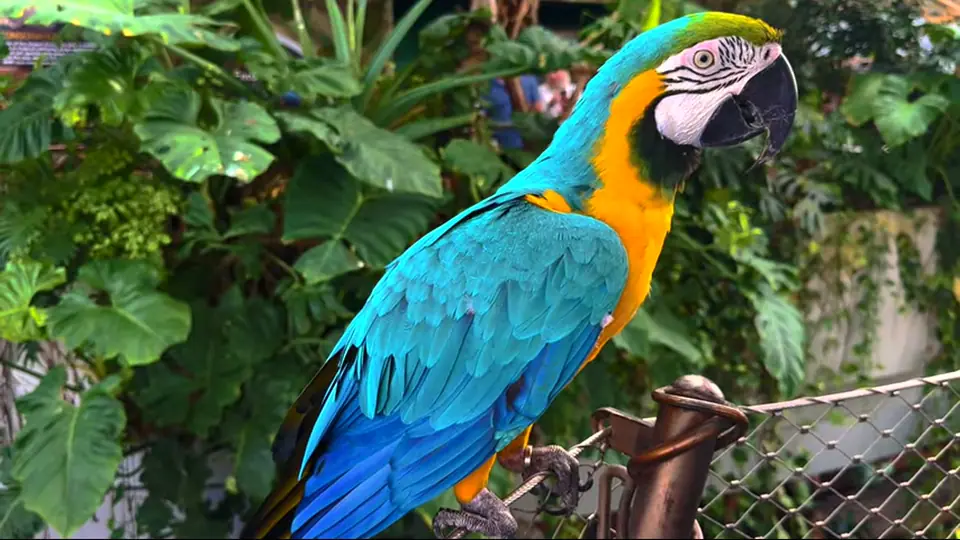
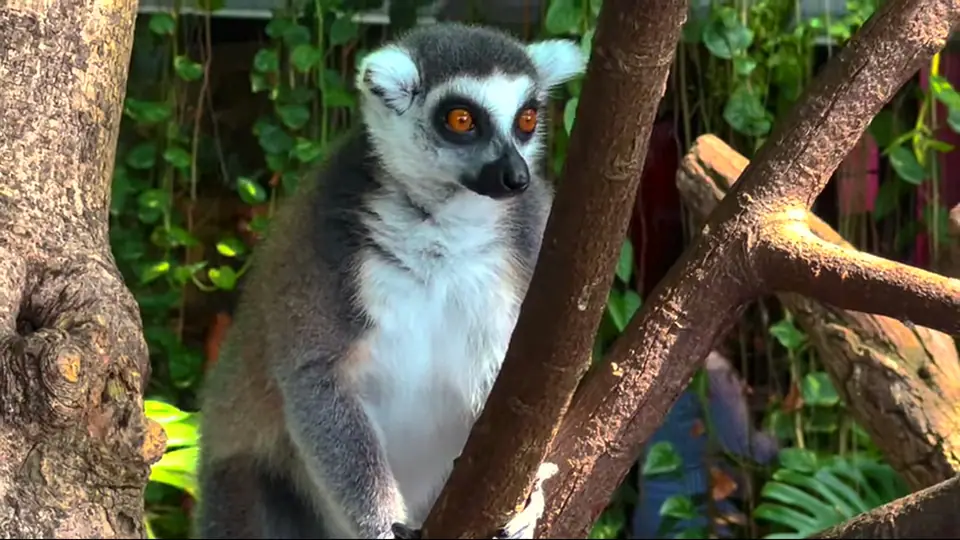
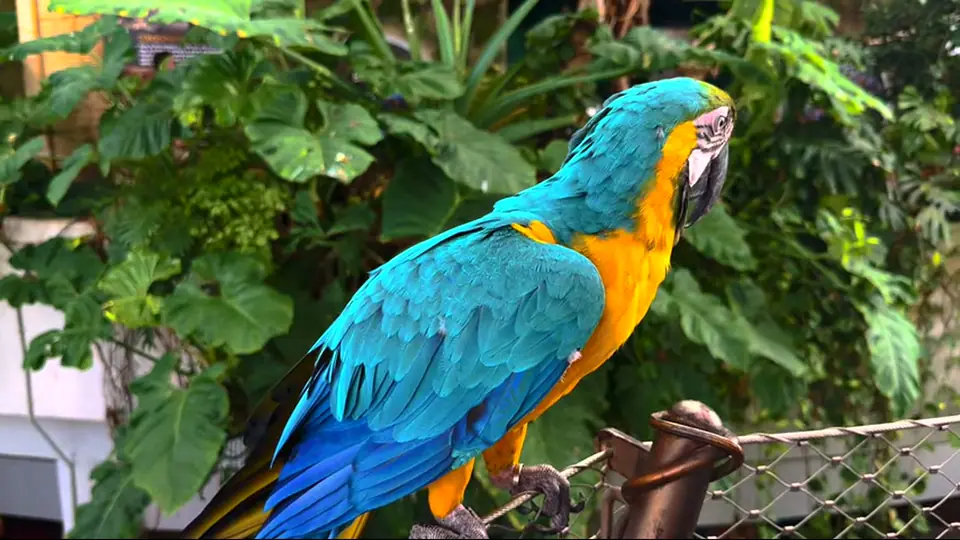
The Green Planet, located in the City Walk district, allows visitors to swap Dubai’s desert heat for a humid tropical rainforest housed within a four-story biodome. The facility features a self-contained ecosystem with over 3,000 species of plants and animals, including sloths and exotic birds that often live without visible barriers. This attraction is well-suited for families and educational visits, offering a rare immersive nature experience within the city. Practical considerations include high internal humidity and a requirement for visitors to remain quiet to ensure animal welfare. A tour generally takes up to two hours and is easily integrated into a visit to the surrounding City Walk neighborhood.


Crowd indicator
Посещаемость достигает пика в выходные и после обеда; для спокойного наблюдения за животными лучше выбирать утро буднего дня.
Mini-calculator based on crowd levels by day and time.
This day is usually calmer than average. This slot has a higher chance of a comfortable visit: Последние посетители.
Nearest days
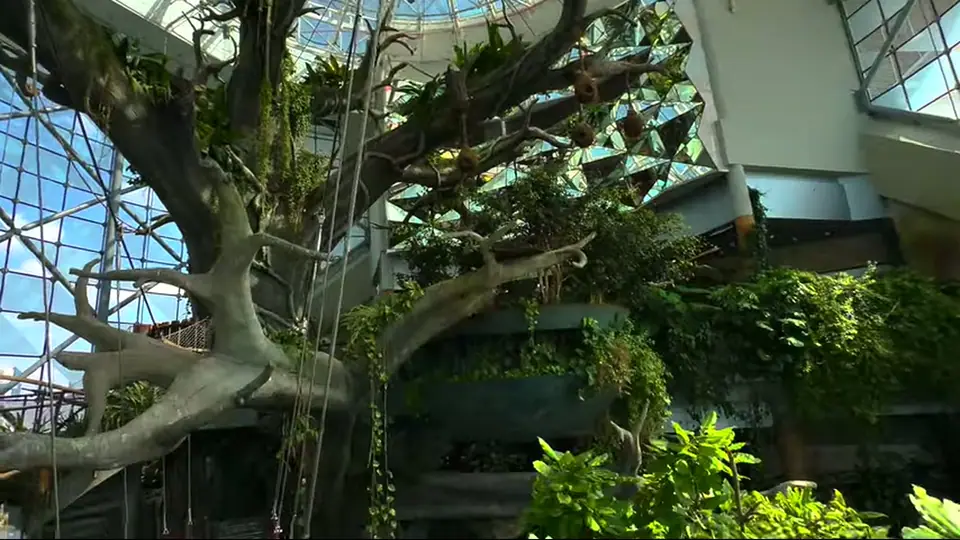
The transition from the air-conditioned City Walk into The Green Planet is immediate: the dry desert air is replaced by the heavy, humid atmosphere of the tropics. A 25-meter artificial tree stands at the center, serving as the core of the bio-dome’s layout. The tour is organized from the top down.
An elevator takes visitors to the fourth level (the Canopy), from where a wide spiral ramp leads down to the Flooded Forest. This structure allows you to view the ecosystem in cross-section, observing how flora and fauna change at different heights.
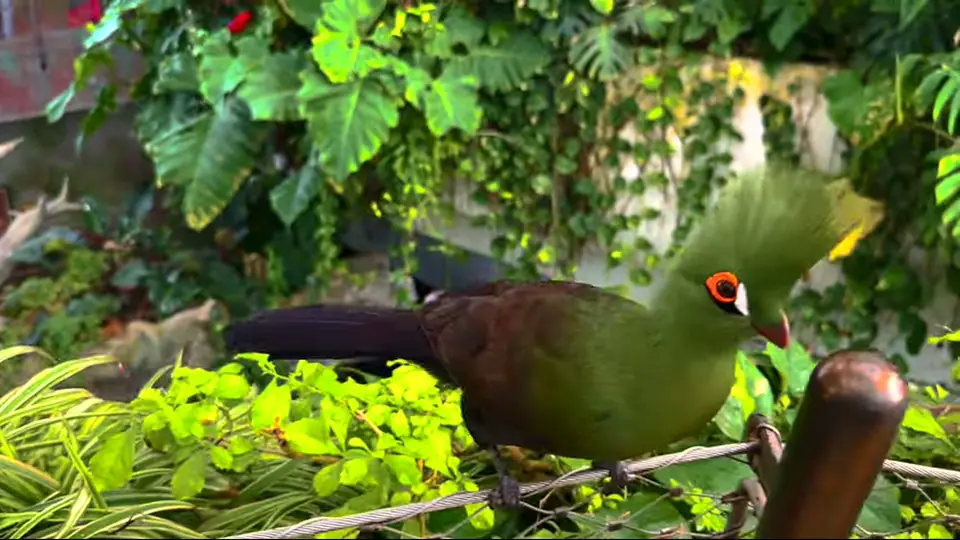
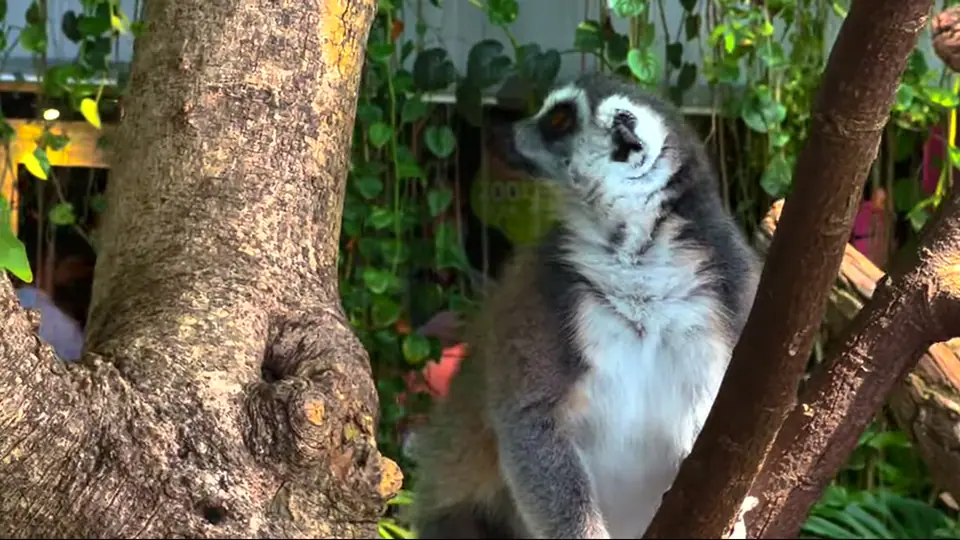
The primary difference between this site and a traditional zoo is the lack of visible barriers. Parrots and toucans fly freely between branches directly above visitors, and sloths may be found sleeping within arm's reach. This proximity requires self-control; touching or feeding the animals is strictly prohibited.
A thorough visit requires a slow pace; moving too quickly means you might miss well-camouflaged reptiles or rare birds hidden in the dense foliage.
Microclimate and Planning
The interior maintains a constant humidity of approximately 70% and temperatures up to 26°C. This creates a specific physical environment: it can feel stuffy, and camera lenses or glasses often fog up during the first 10–15 minutes. Lightweight clothing made from natural fabrics is recommended.
The route is fully accessible for strollers and wheelchairs, though paths narrow on the lower levels near the terrariums and the bat cave, which can cause congestion during peak hours.
A visit typically lasts between 90 minutes and two hours. Since the bio-dome is located in the center of the City Walk district, a trip to the indoor jungle is easily combined with lunch at a local restaurant or a walk through the outdoor shopping galleries.
This allows for a seamless transition from the tropical environment back to the city rhythm without additional travel.
Why include in your itinerary
Final Verdict
Who it’s for: Families with children and nature enthusiasts who value an immersive experience. Visit for the rare opportunity to see sloths, toucans, and reptiles without visible barriers or cages.
It is the best choice for those looking to trade the sterile glitz of shopping malls for a living ecosystem and who are willing to spend time spotting wildlife within the dense foliage.
When to skip: Postpone or skip your visit if you are sensitive to high humidity and heat; the indoor jungle microclimate can be physically taxing. This is not a destination for those seeking quick thrills, as there are no rides or shows, and the animals require a quiet environment.
If you are visiting for photography, allow at least 20 minutes for your equipment to acclimate to the humidity to prevent fogged lenses from ruining your initial shots.
What to know beforehand
The Green Planet functions more as a meditative observation space than a traditional zoo with cages. The primary appeal of the biodome is the lack of visible barriers, but this format requires patience: to spot a sloth or a rare bird within the dense foliage, you must move slowly and remain quiet.
In practice, the ecosystem is best experienced during the morning hours. When noisy groups arrive, the animals instinctively retreat deeper into the canopy, which significantly diminishes the immersive experience.
The venue is ideal for families and those seeking a visual break from the dry heat and glare of Dubai’s shopping malls. However, visitors expecting massive exhibits or high-energy shows may find the space too compact and the ticket price high for a walk that typically lasts about 90 minutes.
You should also consider the specific microclimate; the high humidity can be physically taxing, making the visit uncomfortable for those who do not tolerate stuffy environments well.
Editor's Tip: Your glasses and camera lenses will inevitably fog up during the first 10–15 minutes due to the sudden change in humidity. Do not plan on taking important photos immediately after exiting the elevator. Give your equipment time to acclimate so you are not stuck constantly wiping the lens.
How to get there
How to find the entrance
The complex is located in the City Walk district. If you are arriving by public transport, get off at the Burj Khalifa / Dubai Mall Metro Station. From there, it is best to take a 5–10 minute taxi ride to the entrance. The Green Planet entrance is situated in the building's main lobby.
Inside, you must present your e-ticket barcode and pass through security. The tour follows a specific route that always begins at the top. After the ticket check, visitors proceed to the elevators, which take everyone to the fourth level directly under the dome roof. From there, you will gradually descend on foot via a wide spiral ramp.
The most critical moment is the transition from the air-conditioned hall into the tropical zone. Due to high humidity (around 70%), your glasses or camera lenses may fog up during the first 10–15 minutes. Simply allow your equipment a little time to adapt to the jungle climate.
Potential delays:
- Taking a taxi from the metro and locating the entrance within City Walk.
- Ticket and security queues, particularly on weekends.
- Waiting for the elevator to reach the "Canopy" level.
What to consider before visiting
When planning your visit, be prepared for a significant climate shift. The bio-dome maintains a tropical humidity level of approximately 70%, which typically causes glasses and camera lenses to fog up for the first 10 to 15 minutes.
To stay comfortable while exploring the four levels of the indoor jungle, wear lightweight clothing made from natural fabrics. The facility is designed for easy navigation: an elevator takes visitors to the top floor, where a wide spiral ramp leads back down.
The space is fully wheelchair accessible, though passages narrow significantly in the terrarium and bat cave sections. On weekends and public holidays, these areas can become congested, which may be challenging for those with strollers.
Many animals live without visible barriers and are within arm's reach; visitors must remain alert and keep noise to a minimum.
- Flash photography is strictly prohibited to avoid distressing the animals.
- Do not touch the animals or feed them.
- Pets and outside food or drinks are not permitted inside.
- Advance ticket booking is required.
Expert Tip: To see sloths and exotic birds at their most active, schedule your visit for weekday mornings. By midday, the noise from larger crowds often causes the animals to retreat into the dense foliage.
Location and what's nearby
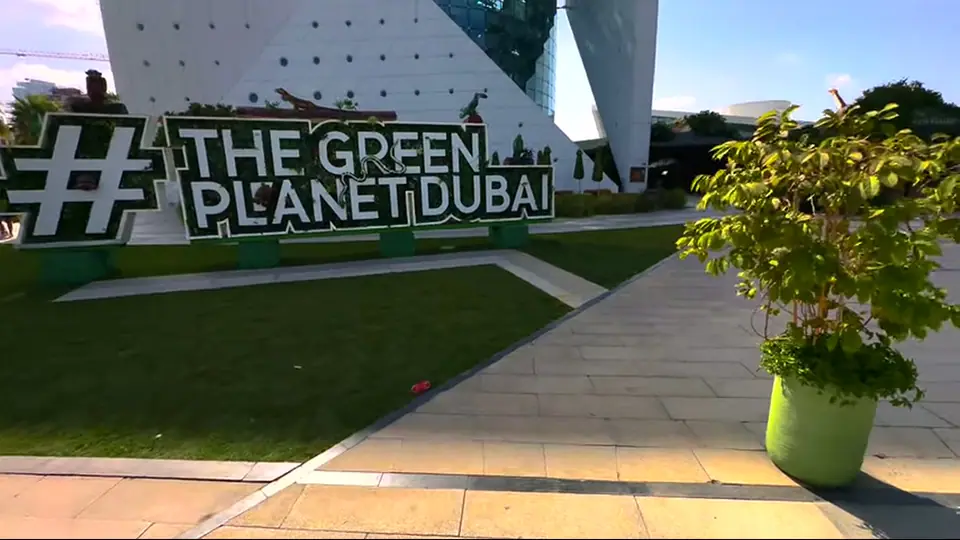
The Green Planet is located in City Walk, one of Dubai’s few truly pedestrian-friendly districts, known for its European-style atmosphere and street art.
While the location is not directly served by the metro—requiring a 5 to 10-minute taxi ride from the Burj Khalifa / Dubai Mall station—it serves as an excellent spot for a change of pace.
The complex is strategically positioned between the Downtown skyscrapers and the Jumeirah coastline, making it a logical stop when moving between these two major areas.
A visit to the biodome takes approximately two hours and requires minimal planning. Since the attraction is integrated into a developed retail district, the transition from the indoor tropical forest to the surrounding restaurants and shops is seamless.
You will find everything needed for lunch or a break within a few minutes' walk along well-maintained sidewalks, eliminating the need for additional travel after your tour.
Travel Tip: The Green Planet is an ideal "midpoint" for your daily itinerary. The most efficient way to visit is to stop here after a morning at the Jumeirah beaches while heading toward the evening fountain shows in Downtown.
This route helps avoid unnecessary traffic loops and provides a smooth transition from a relaxing morning at the beach to an active evening in the city center.
Tickets & tours
For most visitors, a standard entry ticket is more than enough. It provides access to all four levels of the biodome, from the Canopy to the Flooded Forest. The primary value of The Green Planet lies in its atmosphere and the opportunity to observe free-roaming birds, both of which are fully accessible under the base fare.
Choosing Your Ticket
The choice between ticket types depends entirely on your desire for direct contact with the inhabitants:
- Standard Entry: Ideal for a first-time visit, photography, and a relaxed exploration of the ecosystem.
- Animal Encounter Packages: These are only worthwhile if you want to participate in feeding sessions or get a closer look at specific animals, such as sloths or sugar gliders, accompanied by a guide.
The biggest mistake visitors make is buying tickets at the box office on-site. Prices on the official website are always lower, so a spontaneous visit will cost you more. Additionally, do not overpay for extra packages if you plan a quick tour.
Due to the high humidity inside the biodome, staying longer than two hours can be physically demanding, and you may not have the energy for complex interactive sessions.
Pricing and how to choose
Standard Entry Ticket
- Access to all four levels of the biodome
- bird and sloth watching
- entry to the Flooded Forest zone.
Animal Encounter Packages
- Personal interactions with sloths or sugar gliders
- professional guide accompaniment
- participation in animal feeding sessions.
For most visitors, the standard ticket is more than sufficient. It provides access to the entire ecosystem, from the Canopy down to the lower levels. The primary value of this attraction lies in the atmosphere and the opportunity to see birds and animals without cages—all of which is included in the base fare.
If you are visiting without children and do not require specific feeding sessions, the basic option offers the full experience.
The additional Animal Encounter programs are only worthwhile if you want guaranteed contact with specific inhabitants under a guide's supervision. This is a practical choice for families with children who prioritize interactivity.
Adults generally find that seeing a sloth or a toucan at arm's length during a regular walk along the spiral ramp provides enough of an encounter.
The biggest mistake is purchasing tickets at the entrance counter, as prices on the official website are consistently lower. Avoid overpaying for complex packages if you only plan a quick visit. Due to the high humidity inside the biodome, staying longer than two hours can be physically demanding, and you may find you lack the energy for extra activities.
Sunset slots and quieter hours
Choosing the timing of your visit to The Green Planet directly impacts how many jungle inhabitants you will actually see. The largest crowds arrive on weekends and during weekday afternoons, which increases noise levels inside the biodome.
For tropical animals, particularly birds and sloths, silence is a signal of safety; when it is quiet, they behave more naturally and frequently approach the walkways.
If your goal is thoughtful observation and high-quality photography without strangers in the frame, the best time to visit is during the first two hours after opening on weekdays.
Weekday mornings also provide a more comfortable microclimate. Due to the high humidity inside the dome, large crowds can make the air feel stifling, and bottlenecks often form in narrow areas like the bat cave or terrarium zones during peak hours.
A slower pace in the morning allows you to descend the spiral ramp without rushing, giving you a better chance to spot camouflaged reptiles that are easily missed in the crowd. Additionally, arriving early allows you to finish your tour by lunchtime and secure the best seating at City Walk restaurants.
We recommend that families with young children and photography enthusiasts book weekday morning slots for maximum immersion. If you must visit on a weekend, try to arrive exactly at opening time. This is the only way to catch the animals in their active phase before they retreat into the dense foliage to hide from the daytime noise and bustle.
Practical Tip: When entering the biodome, allow 10–15 minutes for your camera equipment and glasses to acclimate to the humidity. Lenses will inevitably fog up, so do not rush to take photos immediately; wait for the glass to clear to avoid constantly wiping your lens.
When a guided tour makes sense
Do You Need a Guide?
The bio-dome is designed for independent exploration, and for most visitors, a professional guide is unnecessary. The primary benefit of hiring a guide or booking a specialized program like "Zoologist for a Day" is spotting the more elusive residents.
Many reptiles and sloths are masters of camouflage, making them easy to miss without an expert eye. This is the best choice for families with inquisitive children or anyone looking for a deep educational experience rather than just a photo opportunity.
Conversely, if you prefer observing nature in silence or want to focus on photography, you should skip the organized tour. The humid climate and enclosed environment can make following a group for an extended period quite tiring.
For specific questions, you can simply approach the staff naturalists stationed on each level. They are available to share insights about animal behaviors for free, allowing you to maintain your own pace and freedom of movement.
Pro Tip: Exploring on your own lets you sync with the animals' natural rhythms. Sometimes, staying still by a single branch for several minutes is the only way to see an exotic bird become active—something that is rarely possible during a strictly timed group tour.
History
The Green Planet opened in 2016 as an ambitious project to sustain a living ecosystem within Dubai’s extreme desert heat. Rather than acting as a simple tourist attraction, the bio-dome was designed to highlight the fragility of tropical rainforests—an environment entirely absent from the natural landscape of the United Arab Emirates.
Technology in Service of Nature
The centerpiece of the facility is a 25-meter artificial tree, one of the largest of its kind globally. This structure supports the entire ecosystem, allowing 3,000 species of flora and fauna to coexist in conditions that closely mimic their natural habitats.
A specialized climate-control system maintains constant humidity and temperature levels, effectively turning the building into a complex living organism.
Today, the site is recognized for offering a vertical cross-section of the jungle. The visitor path descends from the forest canopy down to the flooded forest floor, illustrating how life functions across different ecological layers. This transition provides a stark contrast between the dry desert air outside and the humid atmosphere of the tropics.
Practical Note: The absence of visible barriers or cages creates an immersive environment where birds and sloths are often found within arm's reach of visitors.
Facts
Scale and Ecosystem
The center of the biodome features a 25-meter artificial tree, the largest of its kind in the world. It serves as a complex engineering support for living vines and plants, sustaining an entire ecosystem across four levels.
The visitor route is organized in a downward spiral, offering a rare cross-section view of the rainforest, from the sunlit canopy to the "Flooded Forest" at the base.
- 3,000 species of animals and plants coexist without visible barriers, creating a fully immersive natural environment.
- A constant 70% humidity level is maintained, transforming Dubai's dry climate into an authentic tropical rainforest.
- The four forest layers allow visitors to observe how flora and fauna change based on their vertical habitat.
Practical Note: Due to the sudden increase in humidity, eyeglass and camera lenses often fog up for the first 10–15 minutes. Both visitors and electronic equipment require time to adapt to the microclimate after leaving air-conditioned city spaces.
Надёжность и актуальность
Профиль составлен на основе официальных данных оператора и актуальных правил посещения City Walk. Информация о ценах и часах работы может незначительно меняться в зависимости от сезона.
FAQ
Do I need to book tickets in advance?
Yes, booking is mandatory. Purchasing online is more cost-effective, with ticket prices starting from 155 AED.
When is the best time to visit?
We recommend visiting on weekday mornings when the animals are most active and the crowds are smaller.
What is the most convenient way to get there?
Take the metro to the Burj Khalifa / Dubai Mall station, followed by a 5–10 minute taxi ride to the City Walk district.
How long does the tour take and how should I prepare?
A typical visit lasts 1.5–2 hours. The bio-dome maintains a high humidity level of 70%, so we recommend wearing lightweight clothing made from natural fabrics.
Is the route accessible for strollers?
Yes, the bio-dome is fully stroller-accessible, though some pathways on the lower levels may be narrow.