Who will love it
From 169 AED

From 169 AED
1.5–2 hours
Visiting the Burj Khalifa is as much an exercise in navigating the world’s largest mall as it is a sightseeing trip.
The transition from the retail floors of Dubai Mall through security and long corridors can feel like a choreographed airport process, which may underwhelm those looking for a quick 'up and down' experience.
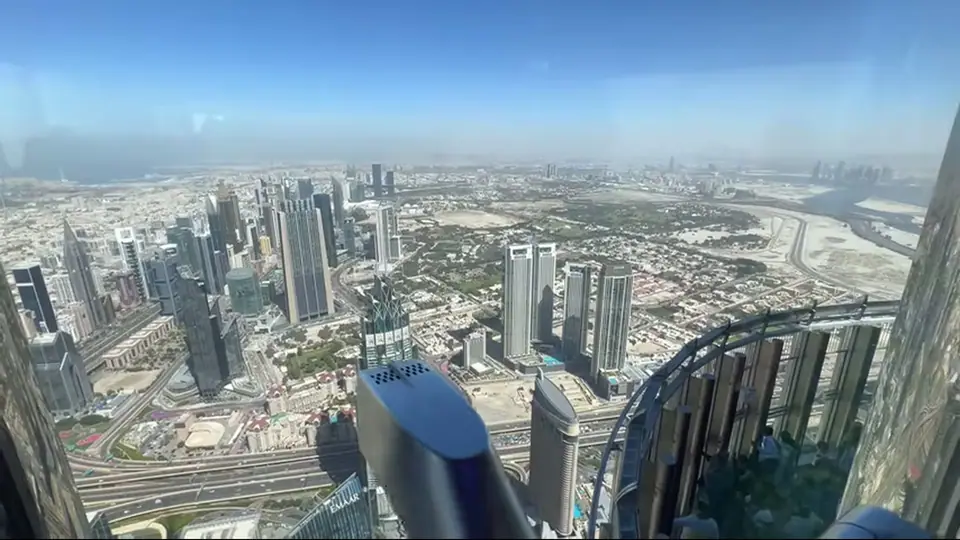
It is a destination built for those who find genuine thrill in engineering milestones and seeing a city’s master plan from a bird's-eye view.
To make the most of the visit, treat it as a two-hour commitment rather than a quick stop. While the 148th floor offers a more civilized pace, the 124th floor remains the only spot with an outdoor terrace that lets you feel the altitude.
If you prefer to avoid the 'tourist conveyor belt' feel, aim for the very first morning slot—the light is crisp, and you will have the windows to yourself.
Resident Advantage: UAE residents should always use the SAVE100 promo code for a 50% discount on standard entry, making it one of the best value-for-money views in the city.
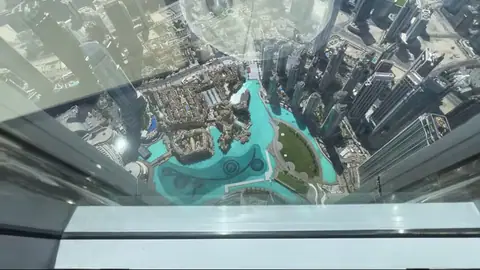
For most visitors, the standard At the Top ticket for Levels 124 and 125 is sufficient. It provides access to the outdoor observation terrace and 360-degree views of the city, desert, and gulf.
If you prefer to avoid the densest crowds and want a more relaxed environment, the At the Top SKY ticket for Level 148 is the better choice. It includes a guided introduction, refreshments in a premium lounge, and a dedicated elevator that bypasses some of the standard queues.
Important: A common mistake is booking a ticket for the exact time of sunset. Because security checks and elevator queues can take up to 40 minutes, you may spend the 'golden hour' standing in a hallway rather than looking at the view. Always book your slot at least 90 minutes before the sun goes down.
Timing is the most critical factor for your experience. Early morning slots, typically between 8:00 AM and 10:00 AM, are the quietest and most affordable. This is the best time for photographers who want clear shots without other tourists in the frame and for families who want to move at their own pace.
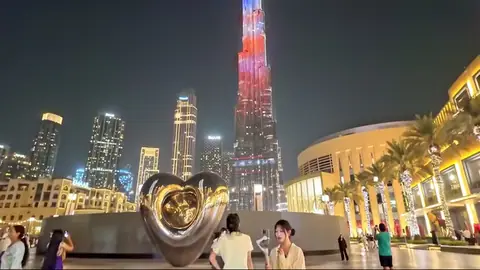
Sunset is the most popular and expensive period. While the view of the city lights turning on is spectacular, the platforms become very crowded, and the wait times for the descending elevator can exceed 30 minutes. If you are visiting during these hours, be prepared for a high-energy, fast-paced environment.
For a middle ground, late evening visits after 9:00 PM offer a glittering view of the city with significantly shorter wait times.
The most practical way to save is by purchasing a combo ticket that includes the Dubai Aquarium & Underwater Zoo, located in the same mall. This typically costs less than buying both entries separately.
The Burj Khalifa is also a standard inclusion in the Go City Dubai Pass and the Dubai Explorer Pass, which can provide significant savings if you plan to visit other major sites like the Museum of the Future or take a desert safari.
United Arab Emirates residents can often access exclusive rates by presenting a valid Emirates ID at the counter or during online booking. Children under the age of four generally enter for free, while those aged 4 to 12 qualify for reduced child pricing.
A dedicated guided tour is rarely necessary for the standard observation decks, as the experience is designed to be self-guided with multimedia displays explaining the construction of the tower. However, if you book the Level 148 SKY experience, a 'Guest Ambassador' is included to provide insights and answer questions, which adds a layer of VIP service.
Tip: If you are interested in the engineering and history of the building, the multimedia exhibits in the entrance corridor provide a comprehensive overview. Most travelers find that a self-guided visit allows for the best pace, especially when navigating the transition from the Dubai Mall entrance to the high-speed elevators.
Mini-calculator based on crowd levels by day and time.
Mini-calculator based on crowd levels by day and time.
This day is usually noticeably busy. This slot has a higher chance of a comfortable visit: fewer people and calmer pace. Weather is currently not ideal: clear night 🌙.
To reach the Burj Khalifa, take the Dubai Metro to the Burj Khalifa / Dubai Mall station. From the station, follow the air-conditioned pedestrian walkway directly into the Dubai Mall, which takes approximately 20 minutes to traverse.
The most important detail for first-time visitors is that you cannot enter the observation decks from the base of the tower itself; the public entrance is located exclusively on the Lower Ground (LG) level of the Dubai Mall.
Once inside the mall, follow the 'At the Top' signage toward the food court area. After checking in at the ticket counter, you will pass through a security screening and a series of multimedia corridors before reaching the elevators. This process is structured but time-consuming, so plan your arrival accordingly to avoid missing your scheduled slot.
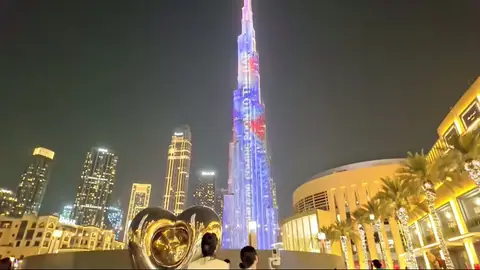
The entrance to the observation deck is located on the Lower Ground level of the Dubai Mall. Follow the "At the Top" signs carefully within the mall; do not attempt to enter the tower from the street.
If you are arriving by the Dubai Metro, the walk from the Burj Khalifa/Dubai Mall station takes approximately 20 minutes through a climate-controlled link bridge. Plan for a total visit time of 1.5 to 2 hours. The process of security screening and waiting for elevators takes 40 minutes before you reach the deck.
Sunset is the peak period, offering the best light but also the highest ticket prices, starting from 169 AED for the basic levels. During these hours, the observation decks become very crowded, and the wait for the return elevator can be significant.
For a more peaceful visit and clearer views of the city's architecture, early morning slots are the most effective choice. The entire route is wheelchair accessible, though the distance from the mall entrance can be physically demanding.
A secure, complimentary luggage room is available near the "At the Top" check-in counter. You are required to store all large items, including strollers and travel bags, before entering the security area.
The storage service is free for ticket holders, ensuring you do not have to carry heavy belongings to the upper floors. There are no lockers for small personal items, so keep your valuables in a small bag that you can carry with you.
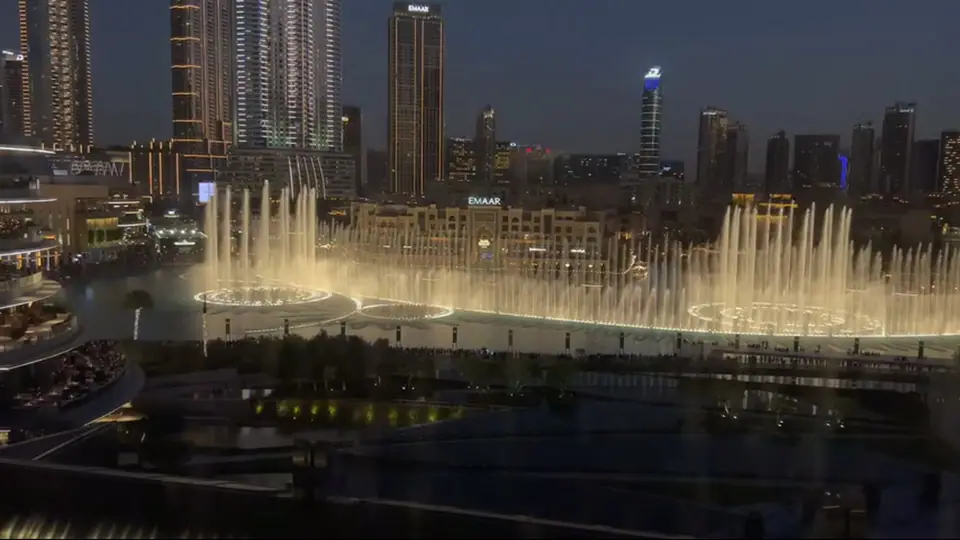
Start the morning with a visit to the Burj Khalifa observation deck to beat the largest crowds, then spend the midday exploring the vast galleries and aquarium of the Dubai Mall. For lunch, head to Logma for a modern taste of local flavors before walking through Souk Al Bahar to secure a spot at a waterfront terrace.
End the evening watching the Dubai Fountain show while enjoying dinner at one of the many restaurants overlooking the Burj Lake.
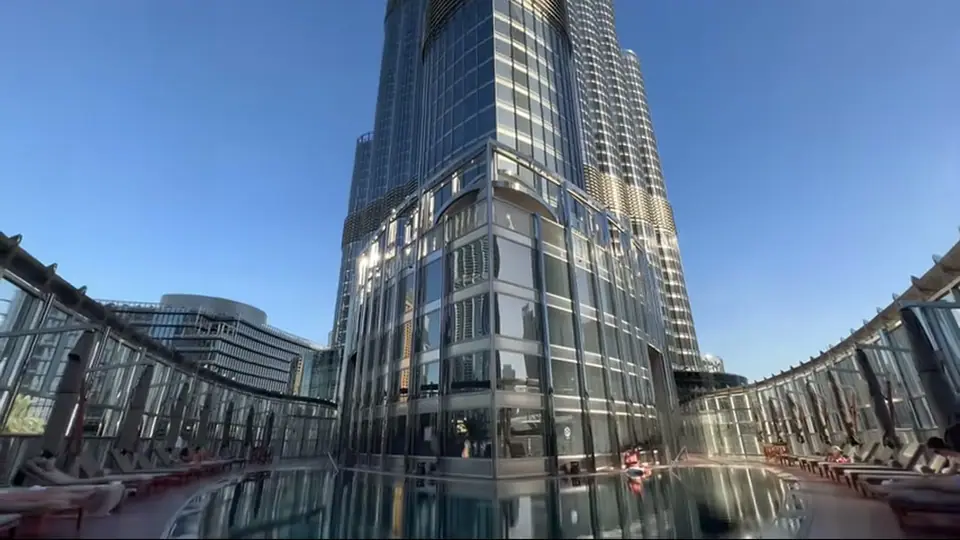
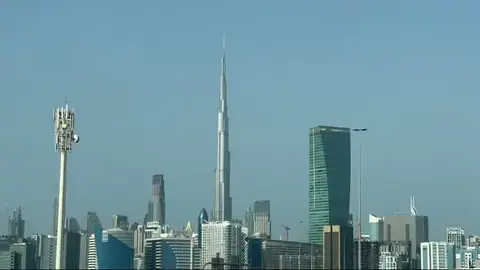
The Burj Khalifa was conceived as the centerpiece of Downtown Dubai, a project designed to shift the city’s identity from an oil-reliant economy to a global destination for tourism and luxury. Its construction transformed a former military site into the world’s most recognizable skyline, symbolizing the rapid urban evolution of the United Arab Emirates.
The tower’s design draws inspiration from the Hymenocallis, a desert lily, using a triple-lobed footprint to manage wind forces at extreme heights.
This marriage of local natural motifs and cutting-edge engineering allows the structure to reach nearly a kilometer into the sky, serving as a vertical city that houses residential, commercial, and hospitality spaces.
For today’s visitor, the building is more than just an observation point; it is a testament to the city’s resilience. Originally named Burj Dubai, it was renamed at its opening to honor Sheikh Khalifa bin Zayed Al Nahyan, marking a significant moment of national unity.
Standing on the observation decks today provides a direct view of how Dubai successfully bridged the gap between its pearl-diving past and its high-tech future.
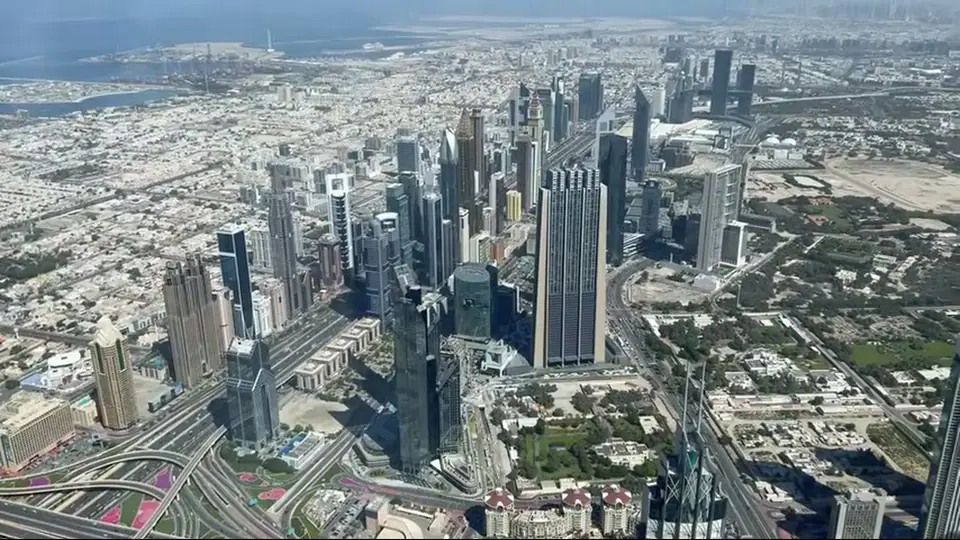
Burj Khalifa is fully accessible for wheelchair users. All observation levels, including 124, 125, and 148, are reached via high-capacity elevators, and ramps are provided where floor levels change slightly. Note that the walk from the Dubai Mall entrance to the elevators is long, so visitors with limited mobility should pace themselves.
Families with young children should note that strollers are not allowed on the observation decks. A dedicated stroller storage area is available at the entrance free of charge. Children under 4 years old enjoy free entry, while those under 16 must be accompanied by an adult at all times.
Be prepared for ear pressure changes during the rapid elevator ascent, which might cause discomfort for infants. Additionally, waiting times in security and elevator lines can be substantial, often lasting over 30 minutes during sunset hours.
Free restrooms are located directly on the observation levels (124, 125, and 148). It is practical to use them before joining the queue for the elevators back down, as the wait for the descent can be significant during peak sunset hours.
For refreshments, a casual cafe on Level 124 serves coffee, soft drinks, and light snacks like pastries. If you have tickets for the higher VIP levels (148 or 152–154), complimentary refreshments or access to a more premium lounge environment are included in the experience. Note that outside food and drinks are not permitted past the security checkpoint.
Official gift shops are positioned both on the observation decks and at the exit back in Dubai Mall. They stock a wide range of Burj Khalifa-themed merchandise, including scale models, apparel, and stationery. High-speed Wi-Fi is available for free throughout the attraction, allowing for immediate photo sharing.
While there are no dedicated nursing or prayer rooms on the observation decks themselves, the Dubai Mall features extensive, high-quality facilities for both right near the At the Top entrance. It is recommended to utilize these mall services before passing through security.