Dubai Frame
Located in Zabeel Park, the Dubai Frame provides a stark visual contrast between the city’s historic districts and its futuristic skyline. The experience pairs a museum journey detailing the emirate’s past and future with access to a high-altitude observation deck. It is an ideal option for visitors seeking a comprehensive overview of Dubai within 90 minutes on a mid-range budget. The primary trade-off involves timing: expect significant crowds if you visit for sunset photography, whereas weekday mornings offer a much quieter environment for exploring the exhibits.


Crowd indicator
Наибольшая концентрация людей наблюдается перед закатом; для комфортного прохода по стеклянному мосту лучше выбирать утренние часы в будни.
Mini-calculator based on crowd levels by day and time.
This day is usually calmer than average. This slot has a higher chance of a comfortable visit: Свободно.
Nearest days
The visit is structured as a chronological journey. It begins on the ground floor in a dimly lit space where multimedia installations recreate the scents and sounds of the old city. This section is essential for understanding the scale of the emirate's transformation.
A high-speed elevator reaches the 150-meter height in 75 seconds. Once at the top, orient yourself: the north side overlooks the low-rise, sand-colored districts of Deira and Bur Dubai, while the south offers views of the futuristic skyscrapers along Sheikh Zayed Road.
The Glass Bridge and Flow Dynamics The main activity takes place on the top crossbar of the Frame. The highlight here is a central floor strip made of "smart" glass that turns transparent only when stepped upon.
This creates a specific movement pattern; many visitors hesitate before taking their first step, leading to localized congestion on the bridge. Note that the interior is kept at a consistently low temperature, which is worth considering if you are sensitive to air conditioning after the outdoor heat.
Logistics require some planning. The attraction is located within Zabeel Park, and entry is organized through Gate 4. Expect a 5 to 7-minute walk from the parking area or taxi drop-off point to the building itself. The main delays occur at security checkpoints and elevators.
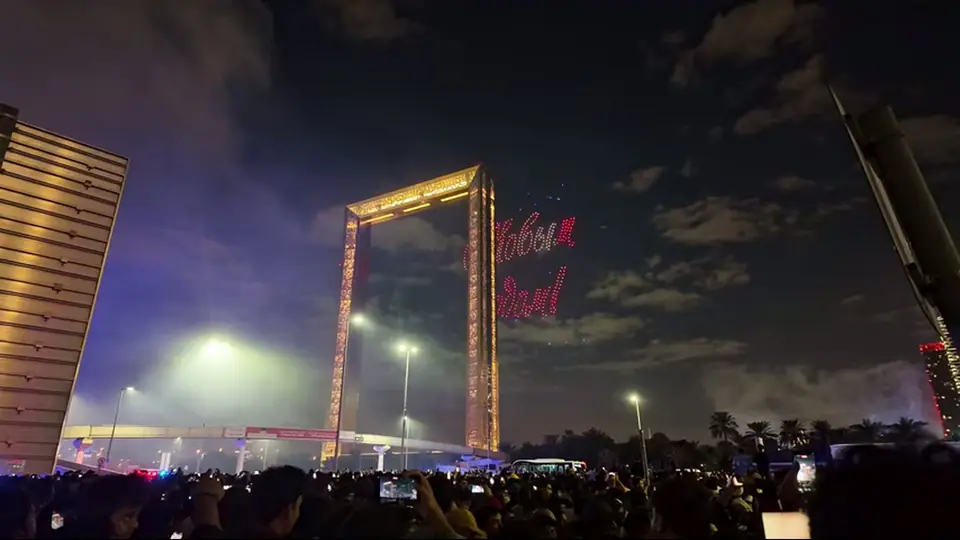
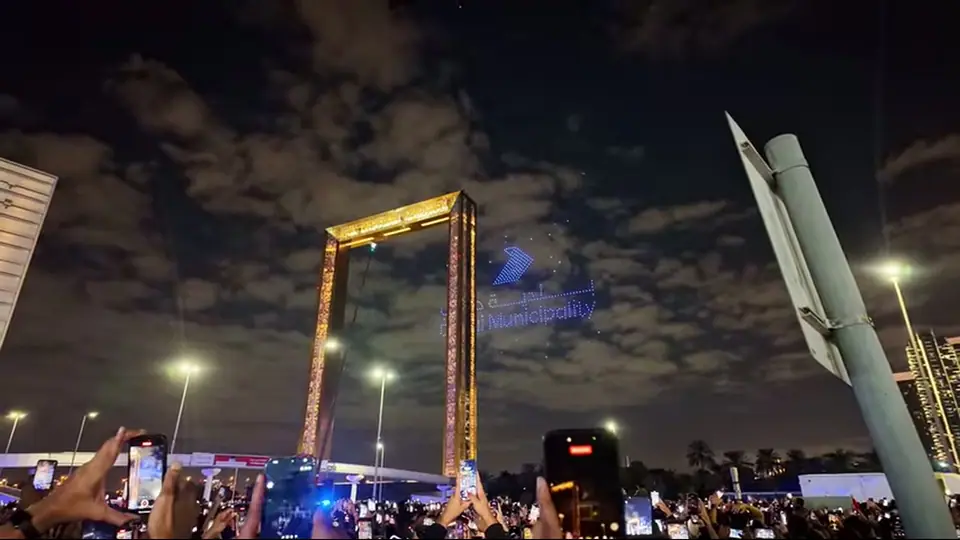
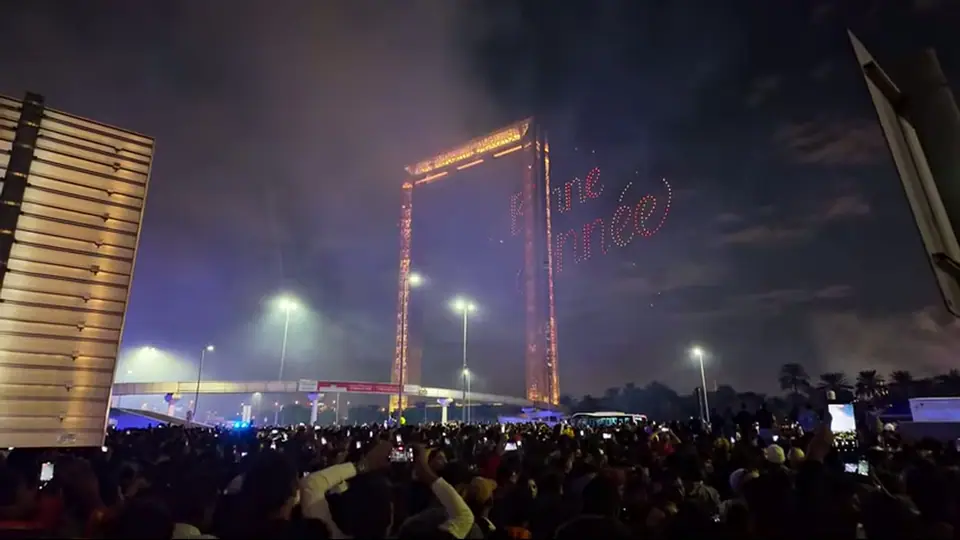
During the popular sunset hours, the observation deck becomes very crowded, making it difficult to take photos without other people in the frame.
Why include in your itinerary
Include this in your itinerary if you want to grasp the scale of the city’s transformation in a single visit. The view of low-rise Deira on one side and the forest of skyscrapers on the other provides better spatial context than any other observation deck.
It is also the most practical choice for those on a budget; tickets are significantly cheaper than those for the Burj Khalifa, yet they offer a unique perspective where old and new Dubai meet.
You can skip this if you are looking for a place to relax or have a panoramic dinner. The venue is designed for strictly one-way traffic in a steady stream, and there are no dedicated areas for long-term contemplation.
For those who have already visited higher observation decks and have little interest in the emirate’s history, the experience may feel too hurried and transitional. To walk across the glass floor and study the city’s details without navigating crowds, arrive at opening time on a weekday.
What to know beforehand
The main value of this site lies less in its height and more in how clearly it illustrates the city’s geographical divide. Note that the "smart" glass floor panels activate with a one-second delay, a feature that inevitably causes foot traffic bottlenecks as people ahead of you hesitate.
The visitor route is strictly linear; once you begin the descent toward the "Future Gallery," you will not be permitted to return to the observation deck for any missed photos.
This project is ideal for visitors who want to quickly understand Dubai’s layout and see the stark contrast between the low-rise historic areas and the forest of modern skyscrapers without paying the premium price for the Burj Khalifa.
However, experienced travelers seeking high-adrenaline thrills or a lounge-style environment to spend several hours may be disappointed. The bridge area is relatively narrow and functional, so the visit feels more like a brisk walk-through than a traditional observation deck designed for long-term contemplation.
How to get there
How to find the entrance
The Dubai Frame is located within Zabeel Park. Access to the attraction is specifically through Gate 4. Whether you are arriving by taxi or walking from the Max Metro Station, follow the signs for this gate. Note that the building is set back from the main road, so you will need to walk a short distance from the gate to reach the entrance.
Expect a standard security screening before entering. This area and the high-speed elevators are where queues typically form. Crowds peak during sunset hours, which can significantly increase wait times. To ensure a smoother experience, schedule your visit for a weekday morning.
Once on the observation deck, be aware that foot traffic often slows down near the smart glass floor panels as visitors pause to look down. The tour follows a strict one-way route. After taking the elevator down to the final zone, you cannot return to the panoramic deck.
Take your time on the top floor to view both the old and new Dubai skylines before descending.
What to consider before visiting
When planning your visit, note that the attraction is located deep within Zabeel Park. You will need to walk from the drop-off point at Gate 4 to the entrance, where you must pass through a mandatory security screening. The main challenges for visitors are the long elevator queues and heavy crowds during sunset hours.
At this time, the observation deck becomes congested, and the flow of movement slows down significantly at the "smart" glass floor, where many visitors hesitate before crossing.
The indoor areas and the observation level are kept at low temperatures due to powerful air conditioning, which can feel uncomfortable immediately after the outdoor heat. The entire route is strictly one-way; once you descend to the final interactive zone, you cannot return to the panoramic bridge.
While elevators are available to move between levels, wait times can be long during peak hours. To avoid maneuvering through large crowds, it is best to visit on weekday mornings.
Location and what's nearby
The Dubai Frame is strategically positioned at the intersection of two eras, situated exactly between the city's historic quarters and the futuristic skyscrapers of the center. This makes it an ideal transit point for your itinerary.
It is most logical to plan a visit on the day you are moving from the old part of the city (Deira or Bur Dubai) toward Downtown.
Because the Frame is located in the open space of Zabeel Park, it provides the best panoramic views without obstruction from neighboring buildings, though this does present specific logistical considerations.
The attraction is located inside the park, meaning you cannot be dropped off directly at the entrance by car. From the Max Metro station or the taxi drop-off at Gate 4, you will need to walk through the park grounds.
During hotter months, this short walk can be taxing, so it is best to schedule your visit for the morning or pre-sunset hours. Note that the internal route is one-way: you enter on one side and exit on the other.
Avoid leaving items in the storage lockers at the entrance unless you plan to walk all the way back to your starting point.
In terms of scheduling, the Dubai Frame is a compact site; 90 minutes is generally sufficient for a full visit. It fits well into a "see everything at once" plan if your time in the city is limited.
After your visit, it is easy to continue toward Dubai Mall or Sheikh Zayed Road, which are no more than 10–15 minutes away by taxi. Due to the site's popularity at sunset, queues often form; for a quieter experience, aim for a weekday before noon.
Tickets & tours
For most visitors to the Dubai Frame, a standard entry ticket is sufficient. The attraction follows a strictly linear route that is the same for all guests: you pass through the historical exhibition, ascend to the bridge, and descend through the gallery of the future.
There are no exclusive VIP zones or additional access levels available for purchase, so the base price of 52 AED covers the full experience.
Paying extra is only worthwhile if you opt for a package deal. This is practical if you require a transfer to Zabeel Park or plan to visit several attractions in one day using a single voucher. Otherwise, the internal facilities are functional and consistent for all categories of visitors.
Ticket Selection and Timing
- Standard Ticket: The best choice for independent travelers who value flexibility.
- Combo Tickets: Ideal for those looking to simplify logistics or combine the Frame with other landmarks in the emirate.
A common mistake is insisting on visiting the observation deck exactly at sunset. While the lighting is excellent for photography, the bridge becomes so crowded that it is difficult to properly appreciate the contrast between the old and futuristic parts of the city. If you prefer comfort and want to avoid elevator queues, choose weekday mornings.
Pricing and how to choose
Standard Ticket
- Includes historical exhibit, panoramic bridge, and the future zone.
Combo Tickets
- Includes transfers or multi-attraction access
- ideal for tight itineraries.
A standard ticket priced at 52 AED provides a comprehensive experience at the Dubai Frame. The attraction does not offer tiered service classes or access to "secret" rooms.
Your entry covers a fixed, linear route: beginning at the multimedia museum of the past, crossing the panoramic bridge, and concluding at the gallery of the future.
This base price fully covers the main highlights—the glass floor walk and 360-degree city views—so there is no reason to look for "upgraded" ticket versions once you are at the venue.
Additional spending is only justified if you choose package deals that include transfers or entry to other major landmarks. Because the Frame is located inside Zabeel Park and requires a walk from the parking lot or taxi drop-off point, an organized tour can simplify your logistics.
However, keep in mind that all guests are treated equally inside; a more expensive ticket will not provide privacy on the bridge if you visit during peak hours.
The main risk of "overpaying" here is not the nominal price, but a loss of experience quality. Trying to catch the sunset often results in long elevator queues and a crowded observation deck, where heavy foot traffic makes it difficult to enjoy the architectural details.
If you value comfort, it is better to "invest" your time in a weekday morning visit. Note that the route is strictly one-way: once you descend from the observation deck to the interactive future zone, you cannot return to the panoramic windows.
To get the full value of your ticket, ensure you take your time during the initial walkthrough.
Sunset slots and quieter hours
Visiting the Dubai Frame during pre-sunset hours is the most popular choice due to the soft lighting that highlights the contrast between the city's historic quarters and its futuristic skyscrapers. However, visitor density is at its peak during this time.
Crowds inevitably form on the narrow panoramic bridge and near the "smart glass" sections, making it difficult to find clear photo angles and slowing down movement.
Because the visitor route is strictly one-way and you cannot return to the deck once you descend, peak-hour visits can feel rushed as you constantly maneuver through the crowd.
Weekday mornings offer a fundamentally different experience that is more relaxed and observant. The absence of queues at security and elevators saves significant time, while the extra space on the observation deck allows you to examine architectural details without the noise.
This window is ideal for families with children and those who want to study the multimedia exhibits on the emirate’s history and future without the distraction of heavy tourist traffic.
Your choice depends on your priorities. If you require "golden hour" aesthetics for photography and do not mind waiting, book an evening slot. For those who value personal space, shorter wait times, and a more efficient visit, the first half of the day is the better option.
When a guided tour makes sense
Hiring a guide for the Dubai Frame is primarily beneficial for those seeking deep historical context rather than just a collection of social media photos. Professional accompaniment adds significant value during the multimedia gallery and panoramic viewing stages.
A guide helps you navigate the geography of Deira’s old quarters and explains the significance of specific skyscrapers on the skyline—details that might otherwise remain anonymous.
This is a practical choice for focused travelers who prefer live narration over reading information boards, especially when on a tight schedule.
However, for the majority of visitors, an organized tour may be unnecessary. The route inside the Frame is strictly linear and intuitive, and the interactive installations are sufficiently clear.
If your main goal is to experience the glass floor and capture sunset shots, a guide offers few advantages while increasing your trip budget. Given the narrowness of the observation bridge and high foot traffic during peak hours, an extra person in your group can make maneuvering through the crowd more difficult.
For those prioritizing mobility, an independent visit remains the most rational option.
History
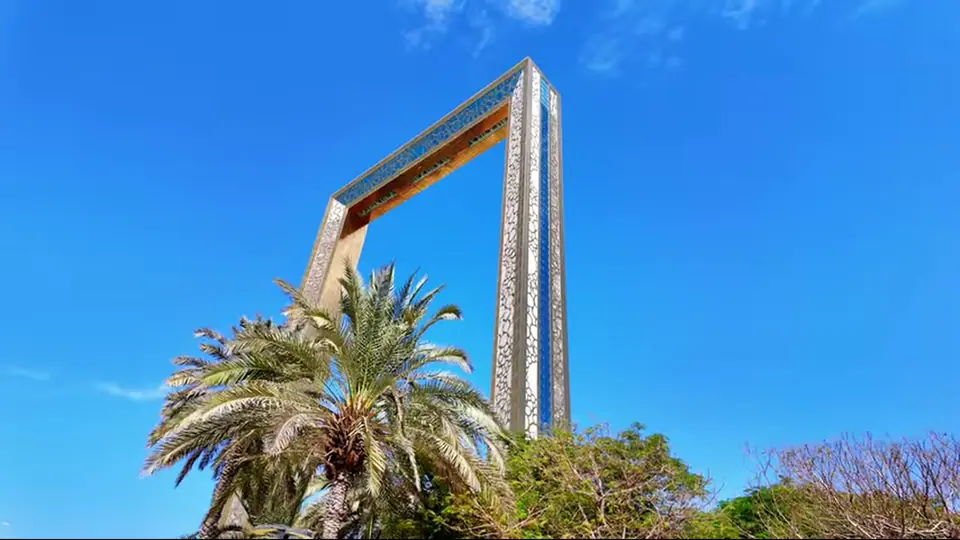
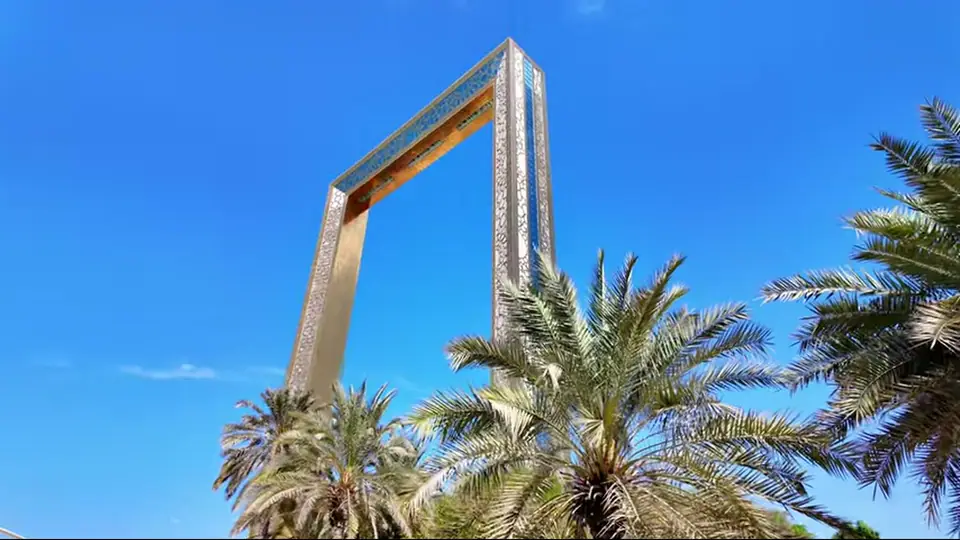
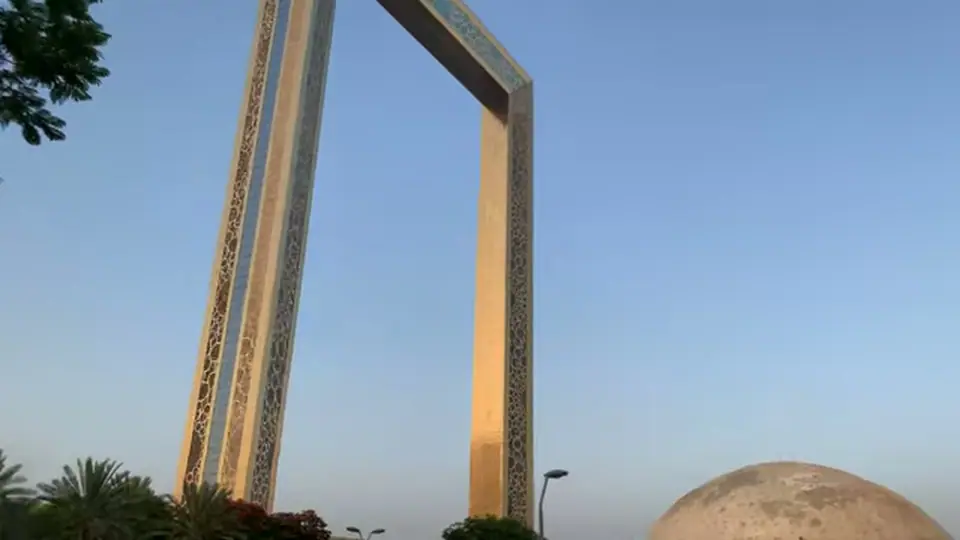
The Dubai Frame is more than an architectural landmark; it serves as a symbolic bridge between two eras of the city. Designed as a giant picture frame, the structure captures the story of the emirate's transformation.
Its location in Zabeel Park is strategic, marking the geographical boundary between the historic trading districts and the futuristic skyline of the modern center.
The concept centers on visual contrast. From one side of the observation deck, visitors look out over the low-rise buildings of Deira and Bur Dubai, where the city's life as a trading port began. The opposite side offers a panorama of Sheikh Zayed Road.
This perspective allows visitors to grasp the scale and speed at which Dubai evolved from a modest fishing village into a global metropolis.
The interior is organized as a journey through time. The route begins by immersing guests in the atmosphere of the old city and concludes with an interactive projection of the future.
For visitors, the Frame’s value lies in this context: it turns a standard observation deck visit into a coherent narrative of how ambition and vision transformed the desert into one of the most modern cities on earth.
Facts
Standing 150 meters tall, this structure serves as an architectural divide between two distinct eras of the city. Its location offers a direct contrast: to the north lie the low-rise historic districts of Deira and Bur Dubai, while the south reveals the futuristic skyline of Sheikh Zayed Road.
The Frame provides a unique perspective on the emirate's transformation, where the transition from past to future is visible in a single glance.
A high-speed elevator reaches the panoramic bridge in 75 seconds. The central floor features "smart" glass that turns transparent only when stepped upon, adding an immersive element to the height.
The visitor route follows a strict one-way flow through three time dimensions: a multimedia gallery of the past on the ground floor, the current skyline from the bridge, and an interactive zone depicting Dubai 50 years into the future.
Visitors should note that the attraction is located within Zabeel Park and requires a short walk from the drop-off point. Due to high demand during sunset and the one-way nature of the tour—which prevents returning to the top after descending—weekday mornings are the best time to visit for a crowd-free experience.
Надёжность и актуальность
Материал подготовлен как практический гид для самостоятельной поездки: с акцентом на реальный формат визита, логистику и выбор времени.
FAQ
Do I need to book tickets in advance?
Yes, entry is based on fixed time slots, so it is highly recommended to purchase your tickets in advance.
When is the best time to visit?
Weekday mornings are ideal for a quiet experience, while the hour before sunset offers the best lighting for panoramic photos.
What is the most convenient way to get there?
The nearest metro station is Max, and the entrance to the Frame is located at Gate 4 of Zabeel Park.
How long does the visit take, and can I go back up?
A visit typically lasts about 1–1.5 hours. Please note that the route is one-way, and you cannot return to the observation deck once you have descended.
Should I expect queues at the entrance?
Queues are most common at security checkpoints and elevators, particularly during the popular pre-sunset hours.