Isobel Grant
I trace how old Dubai and new Dubai meet, from creekside history to warehouse galleries and working mosques.
I moved to Dubai in my late twenties after a reporting trip that was meant to last ten days and turned into a much longer conversation with the city. I had expected skylines and speed, but what held me here was the quieter texture underneath: wind towers in Al Fahidi, evening prayers carrying across Bur Dubai, family-run cafés near the Creek, and the way people from many places shape a shared daily rhythm. A few years on, I still find Dubai most interesting when I follow its layers rather than its headlines, and that is the perspective I bring to every piece I write.
For this site, I focus on the parts of Dubai that reward patience and curiosity: Al Shindagha Museum, Etihad Museum, Jameel Arts Centre, Alserkal Avenue, the lanes around Al Fahidi Historical Neighbourhood, and religious architecture from Jumeirah Mosque to smaller neighbourhood mosques viewed respectfully from public space. I also cover how to reach these places in practical terms, whether that means taking the Dubai Metro to Al Fahidi or Onpassive, using an abra across Dubai Creek, or walking stretches of Al Seef and Satwa with realistic timing in mind. I am interested in what visitors can actually learn, notice and understand once they arrive.
My reporting is built on verification, not brochure language. I check opening hours, ticket prices and temporary closures against official museum, gallery and government sources, and I revisit listings when exhibitions change or religious holidays affect access. If a place is difficult to interpret without context, I cross-check dates, architectural details and historical claims before I publish. When a guide includes partner links, I label them plainly, and I do not let them decide what I recommend. I want readers to know what is free, what needs advance booking, what has modest dress expectations, and what is worth the time on an ordinary weekday.
An English-speaking reader usually arrives with partial knowledge of Dubai: plenty of images, fewer explanations. My job is to bridge that gap without flattening the city into easy contrasts. I write for people who want clear language, cultural context and practical confidence, whether they are stepping into a majlis display for the first time or trying to understand why a contemporary art show in Al Quoz belongs in the same itinerary as a morning by the Creek. I can help readers move past the polished surface, read the city with more care, and feel better prepared to visit respectfully.
Material by this author
3 items
Как добраться из аэропорта Дубая в город: метро, такси и спокойный план после прилёта
Практичный гид по дороге из DXB в город: когда удобно метро, когда лучше такси и как не усложнить себе первый день в Эмиратах.
XLine Dubai Marina
Самый длинный городской зиплайн в мире XLine предлагает пролет длиной в километр над водами и небоскребами района Дубай Марина. Стартуя с высоты 170 метров на башне Amwaj, вы разгоняетесь до 80 км/ч, финишируя у торгового центра Dubai Marina Mall. Это экстремальный опыт для тех, кто ищет сильные впечатления и готов заплатить за минутный полет от 650 AED. Аттракцион имеет строгие ограничения по весу (от 50 до 100 кг) и росту (от 130 см), поэтому подходит не всем. Регистрация на рейс проходит на парковочном уровне молла.
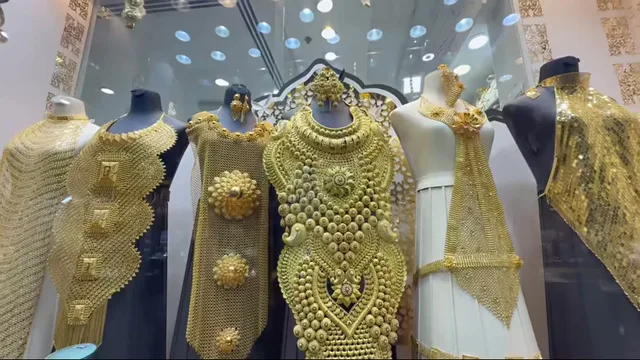
Dubai Gold Souk
Золотой рынок в Дейре — исторический торговый лабиринт, где работают сотни ювелирных магазинов с изделиями из драгоценных металлов. Сюда приезжают за колоритом старого Дубая и возможностью купить украшения по цене за грамм, которую ежедневно устанавливает государство. Главная сложность для покупателя — необходимость агрессивно торговаться за стоимость работы ювелира, иначе сделка теряет смысл. Пространство всегда переполнено туристическими группами и навязчивыми зазывалами. Для визита лучше выделять раннее утро или вечер после заката. Это идеальная локация для поиска массивных арабских ожерелий, инвестиционных слитков или просто бесплатной экскурсии вдоль сверкающих витрин.