Al Shindagha Museum

Al Shindagha Museum

Why visit

Who will love it

[ { "attraction": "Al Shindagha Museum", "price_from": "50 AED", "duration": "3+ hours", "best_time": "Late afternoon to catch the sunset by the Creek", "booking_required": "Yes", "district": "Al Shindagha", "recommendation": "Prioritize Al Shindagha Museum if you seek a sophisticated, multimedia-driven narrative of Dubai’s evolution from a pearl-diving village to a global hub.

It is the best choice for travelers who prefer immersive storytelling and historical context over traditional glass-case exhibits, especially since it spans dozens of restored houses in the atmospheric Al Shindagha district.\n\nSkip this attraction if you are on a tight schedule or looking for a quick photo opportunity; the sprawling layout requires at least three hours of walking between pavilions to be truly appreciated.

Those uninterested in social history or cultural heritage may find the depth of the exhibits overwhelming compared to the city's more high-energy entertainment venues.\n\nVerdict: A deep, rewarding dive into the soul of old Dubai for those willing to take their time.\n\nLocal Insight: Use the Al Ghubaiba Metro station for the easiest access, and ensure you visit the Perfume House pavilion for a unique sensory experience." } ]

Who should skip it

Not specified yet

What to know beforehand

[ { "summary": "Al Shindagha Museum offers a deep dive into Dubai's history through dozens of themed pavilions located in a restored quarter on the banks of Dubai Creek.

This is not a classic collection of dusty artifacts, but a modern multimedia space that tells the story of pearl diving, trade, and the life of the ruling dynasty. The place is ideal for those who want to understand the transformation of the emirate from a fishing village into a metropolis without unnecessary pathos.

The main nuance lies in the scale of the exhibition: you should allow at least three hours for a thoughtful inspection of all halls, including the Perfume House.", "body": [ "- The Essence — A multimedia complex in a historic quarter, revealing Dubai's journey from pearl diving to a metropolis through dozens of themed pavilions.", "- Who Should Go — Those who want to understand the transformation of the emirate from a fishing village into a modern city without boring artifacts or pretension.", "- Time Required — For a thoughtful inspection of all halls, including the Perfume House near the banks of Dubai Creek, you should allow at least three hours.", "- Price — An adult entry ticket costs 50 AED, while children and youth up to 24 years old pay 20 AED.", "- How to Get There — Advance booking is required; the museum is located in the Shindagha area near the Al Ghubaiba Metro station.", "- Main Nuance — The exhibition is massive and distributed across many buildings, so a quick walkthrough will not allow you to appreciate the depth of the history." ], "best_time": "The ideal time for a visit is in the morning, immediately after opening at 10:00.

During this time, there are fewer people in the pavilions, which is critical for comfortably viewing the multimedia installations where sound and video are designed for a small number of viewers.

If you plan a visit in the afternoon, aim for the hours before sunset when the soft light makes the historic architecture of the Shindagha district highly photogenic.", "ticket_block": { "editorial": "### Which Ticket to Choose\n\nA single entry ticket is provided for visiting the Al Shindagha Museum, which grants access to all active pavilions in the historic quarter, including the famous Perfume House.

There is no complex system of levels or VIP packages, as the exhibition is spread across twenty different buildings. The standard ticket for 50 AED is a full pass to all multimedia halls.\n\nThe main mistake for newcomers is purchasing a ticket less than two hours before closing.

The museum is vast, and attempting to \"run through\" it quickly defeats the purpose of the visit, as the primary value lies in watching interactive films and studying the personal stories of the emirate's residents.\n\n- Adult Ticket (24+ years): 50 AED.\n- Youth Ticket (5 to 24 years): 20 AED.\n- Children under 5 years: Free entry.\n\n### Best Time to Go\n\nThe ideal time to visit is in the morning, right after opening at 10:00.

At this time, the pavilions are least crowded, which is essential for a comfortable viewing of the multimedia installations where audio and video are calibrated for small audiences.

Organized groups of schoolchildren or tourists may appear by noon.\n\nIf you are planning an afternoon visit, aim for the pre-sunset hours. Walking between pavilions takes place outdoors, and the soft light at this time makes the historic architecture of the Shindagha district exceptionally photogenic.

However, remember that a thorough tour requires at least 3 hours, so arriving later than 17:00 is not recommended.\n\n### Combos and Discounts\n\nAl Shindagha Museum is included in popular tourist passes, such as Go City Dubai (within the Explorer Pass or All-Inclusive).

If you have such a pass, you do not need to buy a separate ticket; simply present your QR code at the entrance.\n\nAn important note for young people: the discount for visitors under 24 (a ticket for 20 AED instead of 50 AED) is one of the most generous in Dubai.

To receive it, you must have your original passport or Emirates ID, as age is strictly checked.

Group discounts typically apply to parties of 10 or more but require prior coordination.\n\n### When a Tour Makes Sense\n\nSelf-guided exploration is quite comfortable here: every pavilion is equipped with detailed annotations in English and intuitive screens.

However, guide services are particularly useful in the Perfume House.

A professional guide will help you understand the nuances of Arabian fragrances, explain the difference between oils, and tell stories about rituals that are difficult to grasp from video alone.\n\nTip: If you go without a guide, be sure to start with the \"Dubai Creek: Birth of a City\" pavilion.

This is an introductory section with a panoramic cinema that sets the context for all other halls. Without this introduction, the scattered houses of the museum may seem like a collection of random facts." }, "editorial_notes": "Al Shindagha is less of a traditional museum and more of a sprawling cultural campus.

Because the exhibits are spread across more than 20 separate pavilions in the historic district, you will spend a significant amount of time walking outdoors between buildings.

It is an ideal choice for those who value narrative-driven storytelling and high-quality digital production over static displays of artifacts.\n\nTravelers looking for a quick photo op or a 30-minute overview often find the scale overwhelming and the depth unnecessary.

To get the most out of the 50 AED entry fee, prioritize the \"Dubai Creek: Birth of a City\" pavilion first to set the stage; otherwise, the individual houses can feel disconnected.\n\nPractical Insight: The Perfume House is the highlight for sensory learners, but it requires patience to appreciate the chemistry and heritage behind the scents." } ]

People interacting with tall, mirrored panels under a geometric, patterned roof. Shadows create intricate patterns on the floor.

🎫 Tickets, tours & discounts

[ { "attraction": "Al Shindagha Museum", "city": "Dubai", "country": "United Arab Emirates", "currency": "AED", "editorial": "### Which ticket to choose\n\nThe standard entry ticket is the primary option and grants access to the entire heritage district.

For 50 AED for adults and 20 AED for visitors under 24, you receive entry to all thematic pavilions, including the high-tech Perfume House and the Story of the Creek.

There are no premium or fast-track tiers because the museum is designed as a walking tour through a restored neighborhood rather than a single building with a queue.\n\n- Standard Adult: 50 AED\n- Youth (under 24): 20 AED\n- Children (under 5): Free\n\nImportant: The most common mistake is arriving too late in the day.

Because the museum consists of over 20 separate houses, a quick one-hour visit is impossible. To see the main highlights and engage with the multimedia displays, you must arrive at least three hours before closing.\n\n### Best time to visit\n\nMorning slots are the most comfortable for navigating the district.

Since you must walk outdoors between the various historic buildings, visiting before the sun reaches its peak makes the transition between pavilions much more pleasant. \n\nFor photographers and those seeking a more atmospheric experience, the late afternoon is the best choice.

Arriving three hours before sunset allows you to explore the exhibits and then emerge to see the golden hour light over Dubai Creek.

This timing provides the best views of the traditional dhows and the historic architecture of the Shindagha district.\n\n### Combos and discounts\n\nAl Shindagha Museum is included in the Go City Dubai and Dubai Explorer passes.

If you plan to visit multiple cultural sites or major attractions, these passes offer significantly better value than buying individual tickets.

Residents can also use their Emirates ID for streamlined entry, though the standard price is already one of the most accessible in Dubai.\n\nTip: You can easily create a low-cost heritage combo by pairing your museum visit with a 2 AED Abra (water taxi) ride.

The Al Ghubaiba station is a short walk away, allowing you to cross the Creek to the Spice and Gold Souks immediately after your museum tour.\n\n### When a guided tour makes sense\n\nThe museum is heavily focused on multimedia storytelling, with surround-sound theaters and interactive touchscreens in every pavilion.

Most visitors will find that the self-guided experience is perfectly sufficient, as the English-language displays are exceptionally clear and engaging.\n\nA guided tour is only necessary if you have a specific interest in the technical details of traditional Emirati architecture or the complex genealogy of the ruling family.

For most, the freedom to move at your own pace through the different houses is the preferred way to experience the site." } ]

Outdoor courtyard with a traditional building featuring arched windows and a modern illuminated structure with geometric patterns.
Weather nowDust in the air
Dubai, United Arab Emirates
NowClear ☀️
Temperature27°C
VisibilityModerate
AerosolsDusty · AOD 0.40

Conditions are mixed — plan accordingly and check for covered areas.

AOD — how much dust and haze in the air dim the distant view. 0 clean, >0.4 noticeable, >0.7 heavy.

Crowd indicator

Mini-calculator based on crowd levels by day and time.

When to go?

Mini-calculator based on crowd levels by day and time.

Best time at Mon — 10:00

This day is usually calmer than average. This slot has a higher chance of a comfortable visit: fewer people and calmer pace. Weather is currently not ideal: clear ☀️.

30–50% · Quiet60–80% · Moderate90–100% · Crowded

Nearest days

Today
10:0035%
12:0045%
14:0050%
16:0080%
17:0090%
18:0085%
Tomorrow
10:0035%
12:0045%
14:0050%
16:0075%
17:0085%
18:0080%
Day after tomorrow
10:0020%
12:0030%
14:0035%
16:0055%
17:0065%
18:0060%
Traditional wooden boat display beside the Al Shindagha Museum waterfront promenade

How to find the entrance

1
"Reach Al Shindagha DistrictWalk five minutes from Al Ghubaiba Metro Station toward the water.",
2
"Locate the Visitor CenterHead to the main registration hub to begin your museum experience.",
3
"Check-in and RegistrationScan your pre-booked digital ticket and collect a district map.",
4
"Explore the PavilionsWalk through the historic streets to enter the individual themed galleries."

{ "address": "Al Shindagha Historic District, Dubai", "nearest_metro": "Al Ghubaiba (Green Line)", "district": "Al Shindagha", "entrance_instructions": "The museum is located within the Al Shindagha Historic District, a short walk from the Al Ghubaiba Metro Station.

Unlike a traditional single-building museum, this is an expansive complex of over 20 scattered pavilions.

Your first stop must be the Visitor Center near the entrance of the district to validate your booking and receive your access credentials.\n\nBecause the exhibits are housed in separate traditional buildings across several blocks, you will spend time walking outdoors between themed houses.

To avoid feeling rushed, start your journey at the 'Dubai Creek: Birth of a City' pavilion to get the chronological context before exploring specialized sections like the Perfume House.\n\n- Ensure you have a confirmed booking before arrival as walk-in entry is not permitted.\n- Budget at least three hours to cover the main pavilions without rushing.\n- Wear comfortable shoes, as the historic district involves navigating open-air pathways between the air-conditioned galleries.\n\nImportant: Advance booking is mandatory.

The museum operates on a timed-entry system, and the scale of the site means late arrivals may miss out on specific multimedia presentations." }

Best creekside promenade view at Al Shindagha Museum

Practical limits & what to bring

{ "practical_notes": "### What to consider before visiting\n\nAl Shindagha Museum is a sprawling multimedia complex spread across dozens of traditional houses in a historic district.

Unlike a conventional museum, you will frequently move between air-conditioned pavilions and the outdoor streets of the Shindagha neighborhood. This requires short walks in the open air, so plan for sun exposure between stops.

A thorough visit to all galleries, including the Perfume House, requires a minimum of three hours.\n\nPre-booking your ticket is mandatory, as the museum operates on a timed-entry basis.

You must keep your digital ticket accessible on your phone throughout the visit, as it is scanned at the entrance of every individual pavilion.

While there is no strict formal dress code, visitors should dress respectfully, covering shoulders and knees, in accordance with local cultural norms for public heritage sites.\n\n### Prohibited and allowed items\n\n- Food and beverages are not permitted inside any of the exhibition galleries.\n- Professional photography equipment, including tripods, gimbals, and drones, is prohibited without prior official authorization.\n- Large luggage, suitcases, and oversized backpacks are not allowed inside the pavilions.\n- Flash photography is restricted in specific galleries to protect sensitive historical displays.\n- Personal smartphones and small cameras for non-commercial use are permitted.\n- Small handbags and essential personal items are allowed.\n\n### Storage and belongings\n\nThe main Visitor Center provides limited locker facilities for small bags and personal belongings.

These spaces are not designed for large travel gear or suitcases, so it is best to leave heavy luggage at your accommodation.

Strollers and wheelchairs are generally permitted throughout the district, though the traditional architecture of some smaller houses may feature narrow doorways or slight inclines that require careful navigation.\n\nTip: The museum layout can be confusing for first-time visitors.

Photograph the district map at the registration desk to help navigate the alleys between the various themed houses." }

Promenade leading past Al Shindagha Museum facade and waterfront decor

Location and what's nearby

[ { "location_context": "### What is the neighborhood\n- Restored historic district on the shores of Dubai Creek, reflecting the city's origins as a pearl-diving and trading hub.\n- Low-rise traditional wind-tower architecture creates a quiet, walkable atmosphere that contrasts with the city's modern skyscrapers.\n- Ideal for cultural exploration, photography, and sunset walks along the waterfront promenade.\n- Home to the ruling family's ancestral residences and dozens of specialized heritage pavilions dedicated to Emirati life.\n\n### Nearby on foot (up to 15 minutes)\n- Sheikh Saeed Al Maktoum House — Former royal residence showcasing 19th-century architecture and historic photographs · 2 min walk\n- Saruq Al-Hadid Archaeology Museum — Displays Iron Age artifacts discovered in the Rub al-Khali desert · 4 min walk\n- Heritage Village — Open-air museum demonstrating traditional Emirati crafts, weaving, and coastal life · 5 min walk\n- Al Ghubaiba Abra Station — Traditional wooden boat terminal for crossing the creek to Deira · 8 min walk\n- Bur Dubai Grand Souk — Historic market famous for textiles, colorful fabrics, and traditional souvenirs · 12 min walk\n\n### 15–30 minutes by transport\n- Al Seef — Modern waterfront promenade designed with traditional and contemporary Emirati aesthetics · 10 min taxi\n- Al Fahidi Historical Neighborhood — Labyrinth of narrow lanes featuring art galleries and the Dubai Museum · 12 min taxi\n- Dubai Frame — Massive golden structure offering views of both Old and New Dubai · 15 min taxi\n- Museum of the Future — Architectural marvel exploring upcoming technological and scientific advancements · 20 min taxi\n\n### Where to eat nearby\n- Local House Restaurant — Emirati dishes and camel burgers in a heritage house · mid-range · no reservation needed · 12 min walk\n- Arabian Tea House — Iconic courtyard cafe serving authentic Emirati breakfast and mint lemonade · mid-range · reservation recommended · 15 min walk\n- Al Ustad Special Kabab — Famous Persian kebabs in a nostalgic setting · budget · no reservation needed · 15 min walk\n- Door's Freestyle Grill — High-end steakhouse and seafood restaurant located on the Al Seef waterfront · high-end · reservation recommended · 8 min taxi\n\n### Ready-made itinerary for the day\nStart your morning at the Al Shindagha Museum to explore the Perfume House and the Creek's history before the midday heat.

Walk along the waterfront to the Sheikh Saeed Al Maktoum House, then head to the Bur Dubai Grand Souk for textile shopping.

For lunch, enjoy a traditional meal at the Arabian Tea House in the nearby Al Fahidi district before taking an abra across the water to explore the Spice and Gold Souks in Deira for the sunset.\n\nNote: Start your visit at the \"Dubai Creek: Birth of a City\" pavilion to get the best chronological context before exploring the smaller houses." } ]

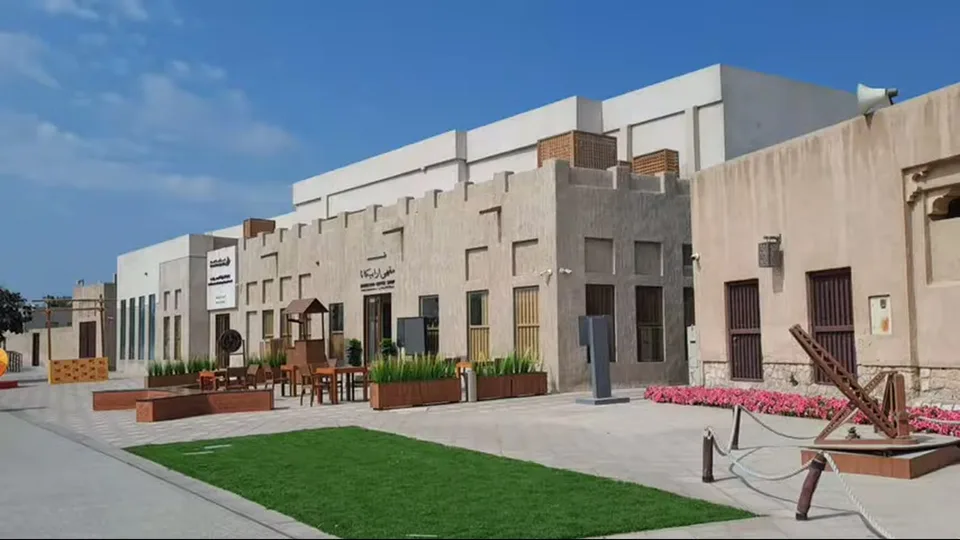
Clean exterior view of Al Shindagha Museum with lawn and seating
Reference

Facts

Read more

[ "### Numbers and Scale", "- Total pavilions: 22 distinct thematic houses distributed across the historic district, making it the largest heritage museum in the UAE.", "- Historical age: The Sheikh Saeed Al Maktoum House, a core part of the museum, was originally constructed in 1896 as the residence of Dubai's ruler.", "- Collection size: The Perfume House alone displays over 70 traditional scents and essential oils used in Emirati culture.", "- Archaeological significance: The museum houses artifacts from the Saruq Al-Hadid site, including items dating back over 3,000 years to the Iron Age.", "- Geographic footprint: The museum is the centerpiece of the 1.5-square-kilometer Al Shindagha Historic District restoration project.", "### Myths and Misconceptions", "- Myth: The museum is a single building near the metro.

Reality: It is a decentralized complex of over 20 pavilions spread across several blocks of the historic quarter.", "- Myth: The exhibits are static displays of old tools.

Reality: The museum is a high-tech hub utilizing 4D theaters, touchscreens, and immersive surround-sound storytelling.", "- Myth: The museum only focuses on the ruling family.

Reality: Extensive sections are dedicated to pearl divers, traditional medicine, and the role of women in society.", "- Myth: You can complete a full tour in under an hour.

Reality: Due to the distance between houses and the depth of content, a visit requires at least three hours.", "### Rare and Unusual", "- The Perfume House is located in the former home of Sheikha Sheikha bint Saeed Al Maktoum, and it showcases her personal collection of fragrance tools.", "- Visitors can see a rare 3,000-year-old bronze incense burner, which served as the inspiration for the museum's focus on the region's ancient trade links.", "- The Story of the Creek pavilion uses a specialized sensory film that includes scent and wind effects to recreate the atmosphere of the early 20th-century waterfront.", "- Many of the restored buildings utilize traditional coral stone and gypsum construction, which naturally regulates temperature in the desert heat without modern cooling.", "- The museum features a dedicated Culture of the Sea section where master craftsmen demonstrate the ancient art of dhow building and net repair." ]

Background

History

Read more

[ { "summary": "Al Shindagha Museum is situated in the heart of the historic district where the Al Maktoum ruling family originally resided. This area along the Dubai Creek served as the primary gateway for trade and the pearl diving industry, which formed the backbone of the local economy.

The museum occupies dozens of meticulously restored traditional houses, preserving the architectural soul of the city's oldest neighborhood.", "history": "### From Trading Post to Global Hub\n\nThe site functions as a living archive of Dubai’s rapid evolution from a small coastal settlement into a global metropolis.

Unlike traditional galleries, it utilizes immersive multimedia installations to narrate the personal stories of the people who built the emirate.

Visitors can explore the specific traditions of Emirati hospitality, the intricacies of traditional medicine, and the complex history of maritime trade that defined the region’s early international relations.\n\nToday, the museum is essential for understanding the cultural identity of the United Arab Emirates.

The sprawling complex includes specialized sections like the Perfume House, which showcases the deep-rooted significance of fragrance in Arabian culture. It offers a grounded, human perspective on the city's growth, making it a vital stop for those who want to see the heritage beneath Dubai's modern skyline." } ]

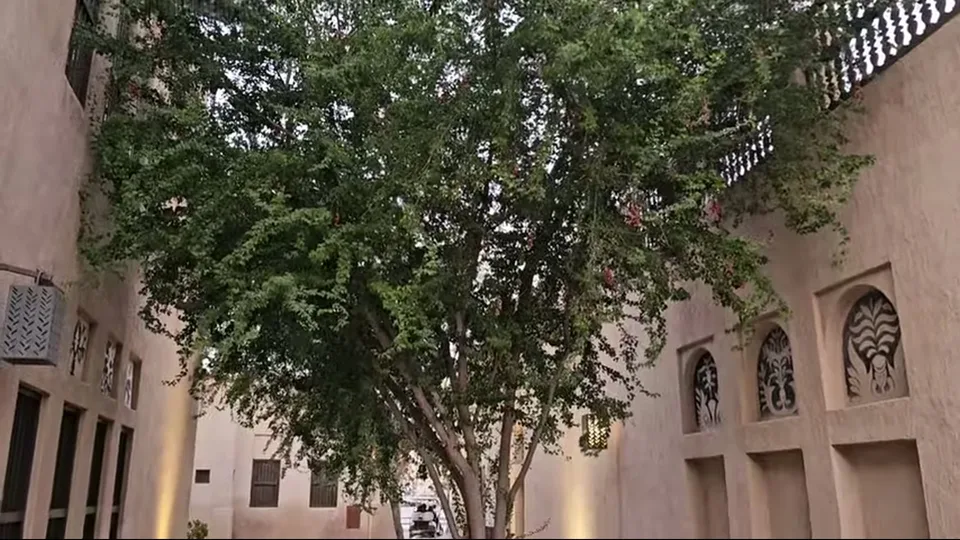
Tree-filled courtyard alley with warm lights and traditional arched window niches

♿ Accessibility & families

{ "accessibility_and_family_policy": { "wheelchair_accessibility": "Al Shindagha Museum is fully accessible to wheelchair users and visitors with reduced mobility. The district features flat, paved pathways connecting the various historic houses, and all pavilions are equipped with modern ramps.

For multi-story buildings, such as the Perfume House, wide elevators are available to reach upper levels.", "stroller_policy": "Strollers are permitted throughout the museum grounds and inside all exhibition houses.

The open-air layout between pavilions is easy to navigate with a pram, though parents should be prepared for short outdoor walks between the climate-controlled buildings.", "age_policy_and_entry": { "free_entry_age": "Children under the age of 5 enter the museum free of charge.", "student_discount": "Visitors aged 5 to 24 are eligible for a discounted student ticket at 20 AED.", "adult_accompaniment": "Children and teenagers under the age of 16 must be accompanied by an adult at all times during their visit.", "standard_entry": "The standard adult ticket price is 50 AED." }, "family_comfort_notes": "The museum is an excellent choice for families with children under 12 due to its high-tech interactive displays and immersive videos.

All indoor spaces are well-cooled with air conditioning. Accessible restrooms and baby-changing stations are conveniently located across the museum site.

Visitors should note that because the museum is 'scattered' across multiple traditional houses, there is no single long queue, but moving between exhibits requires brief exposure to the outdoor temperature." } }

🏢 On-site amenities

{ "amenities": "## On-Site Facilities\n\nRestrooms and Accessibility\nClean, modern restrooms are located at the Visitor Center and within several major pavilions, including the Perfume House.

These facilities are free for ticket holders and include dedicated accessible stalls and baby-changing stations.\n\nDining and Refreshments\nA cafe is located within the museum grounds offering light snacks, traditional tea, and coffee.

For a full dining experience, the Al Shindagha Historical District houses several traditional restaurants, such as the Arabian Tea House, located just a short walk from the museum pavilions.\n\nGift Shop\nThe main gift shop is situated in the Visitor Center.

It stocks a variety of high-quality souvenirs, including heritage-themed books, local handicrafts, and signature fragrances that mirror the exhibits found in the Perfume House.\n\nWi-Fi and Essentials\nFree high-speed Wi-Fi is available throughout the museum's indoor spaces.

Prayer rooms for both men and women are conveniently located within the district. As part of local sustainability initiatives, water refill stations are provided on-site, making it easy to use reusable water bottles while moving between the different pavilions." }

Reliability & freshness

UpdatedJune 1, 2026

I live in Dubai and, after seven years here, I write clear guides on getting around, costs, and daily life in the UAE.