Al Seef

Al Seef

Why visit

Who will love it

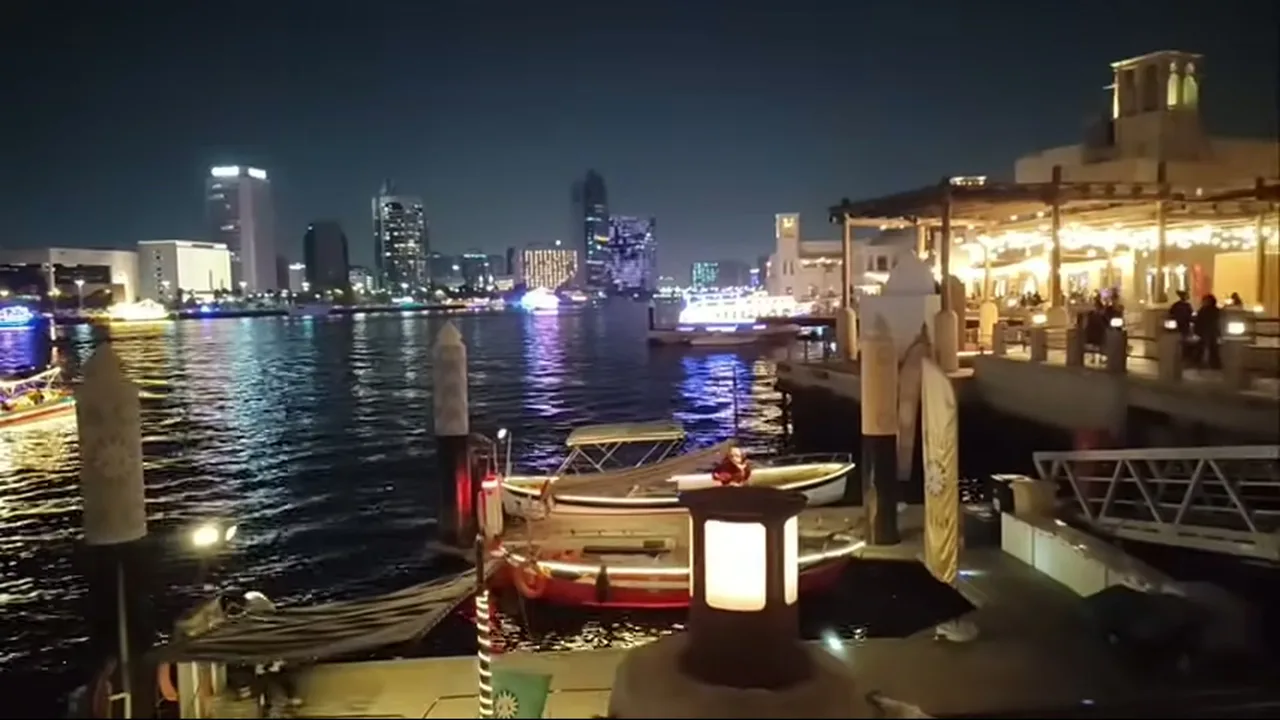
Prioritize Al Seef if you want a comfortable evening promenade in Bur Dubai, with creek views, abra boats, restaurants, shops, and easy access after exploring the Bur Dubai markets. Entry is free, and the area is most enjoyable after sunset when the heat eases and the lights come on.

Who should skip it

Lower its priority if you are seeking genuinely historic architecture or a quieter, less commercial atmosphere; Al Fahidi is the better choice for authenticity. Treat Al Seef as a relaxed place for dinner and a final walk rather than a major historical attraction, with reservations needed for some venues.

What to know beforehand

Al Seef works best as a relaxed evening stop after Al Fahidi or the Bur Dubai markets, rather than as a full-day attraction. Families, casual photographers, and travelers who want an easy waterfront meal tend to enjoy the mix of creek views, shops, restaurants, and decorative lighting.

Start in the Heritage Area about an hour before sunset, then walk toward the modern promenade as the heat eases and the lights come on.

The main compromise is authenticity: the old-style buildings are a polished recreation, not a preserved historic quarter, so visitors seeking genuine heritage may find it underwhelming.

Entry is free, but the open-air route offers limited shade during the day; allow for restaurant spending and use the 2 AED abra crossing if you want to continue toward the souks.

🎫 Tickets, tours & discounts

Which ticket to choose

Entry to the Al Seef district is entirely free, requiring no tickets or reservations to walk the promenade. You only pay for what you consume at the restaurants, buy at the boutique shops, or for entry to specific indoor attractions.

The main ticketed attraction within the district is the Museum of Illusions. Tickets for this museum cost 90 AED for adults and 65 AED for children, with free entry for toddlers aged two and under.

* Public Promenade: Free access, no ticket required. * Museum of Illusions: 90 AED for adults, 65 AED for children. * Abra Creek Crossing: 2 AED per trip on the traditional public boats.

A common mistake for first-time visitors is paying for expensive tour packages that claim to include "entry to the historic Al Seef village." These are often just standard walking tours charging for access to a public, free-to-enter street.

Best time to visit

The best time to visit is during the late afternoon and evening, starting around 5:00 PM. During the day, the district is quiet, hot, and lacks the vibrant atmosphere that makes it appealing. As the sun sets, the temperature drops, the warm lights illuminate the textured walls, and the waterfront dining spots come alive.

For photographers, the golden hour just before sunset offers the perfect light to capture the contrast between the historic-style wind towers and the modern skyline across the creek. If you prefer a quiet walk without the dinner crowds, visit in the early morning, though you will miss out on the lively evening market vibe.

Combos and discounts

To save money, skip the expensive private dinner cruises and opt for a traditional public abra ride across Dubai Creek. These wooden boats cost only 2 AED per passenger and offer the same scenic views of the water and skyline.

If you plan to visit the Museum of Illusions with family, do not buy individual tickets. The museum offers a Family Ticket for 250 AED (covering two adults and two children), which provides a discount compared to buying separate entries.

Additionally, multi-attraction passes like the Go City Dubai Pass often include nearby creek cruises or museum entries, making them a smart choice if you plan to explore more of Old Dubai.

When a guided tour makes sense

A guided tour is not necessary if you only want to explore Al Seef. The district is a modern, commercial replica of old architecture designed for casual strolling, dining, and shopping. You can easily navigate the entire 1.8-kilometer promenade on your own without missing any hidden historical secrets.

However, a guided walking tour is highly valuable if Al Seef is part of a broader itinerary through Old Dubai. A guide is worth it when combining Al Seef with the authentic Al Fahidi Historical Neighbourhood and the nearby gold and spice souks.

They can provide essential historical context about the creek's pearl-diving history and help you navigate the busy traditional markets.

TipIf you are arriving by metro, take the Red Line to BurJuman Metro Station. From there, it is a straightforward 10-to-15-minute walk to the waterfront promenade, saving you the hassle of finding parking in the busy district.
Weather nowDust in the air
Dubai, United Arab Emirates
NowClear night 🌙
Temperature32°C
VisibilityModerate
AerosolsDusty · AOD 0.65

Conditions are mixed — plan accordingly and check for covered areas.

AOD — how much dust and haze in the air dim the distant view. 0 clean, >0.4 noticeable, >0.7 heavy.

Crowd indicator

Mini-calculator based on crowd levels by day and time.

When to go?

Mini-calculator based on crowd levels by day and time.

Best time at Mon — 12:00

This day has average visitor density. This slot has a higher chance of a comfortable visit: fewer people and calmer pace. Weather is currently not ideal: clear night 🌙.

30–50% · Quiet60–80% · Moderate90–100% · Crowded

Nearest days

Today
10:0020%
12:0015%
14:0015%
16:0045%
17:0075%
18:0095%
Tomorrow
10:0020%
12:0015%
14:0015%
16:0045%
17:0075%
18:0095%
Day after tomorrow
10:0020%
12:0015%
14:0015%
16:0045%
17:0075%
18:0095%

How to find the entrance

1
Choose Your SectionPick the modern area near Canopy by Hilton or the heritage area near Al Seef Heritage Hotel
2
Enter From StreetWalk in freely from Al Seef Street; there are no gates, ticket desks, or turnstiles
3
Follow The PromenadeStay on the waterfront walkway and allow 20–25 minutes between the two ends
4
Start Your VisitHead directly to your restaurant or hotel; bookings apply only to selected venues

Go to the Al Seef waterfront promenade in Bur Dubai, along Dubai Creek. Al Seef is a walkable district rather than a single-ticket attraction, so there is no admission counter or entrance ticket for the main area.

Allow extra time to find the section you want: Al Seef combines a modern promenade with a heritage-style quarter, restaurants, shops, and hotels. If you are meeting someone or visiting a specific restaurant or event, use that venue as your final destination because bookings may be required.

ImportantAccess to the Al Seef area is free, but meals, shopping, hotel stays, and some events cost extra. The most comfortable time to arrive is in the evening, when the heat eases and the waterfront lights come on.

Practical limits & what to bring

Before Your Visit

Al Seef is an open waterfront district, not a ticketed attraction. There is no single entrance, turnstile, or central security check; you can enter from Al Seef Street and walk between the modern and heritage-style sections. The promenade is about two kilometres long, so allow at least 20–25 minutes to walk between its far ends.

Visit in the evening for cooler conditions, illuminated buildings, and views of abra boats on Dubai Creek. During the day, direct sun and limited shade can make the long waterfront walk uncomfortable. Wear comfortable shoes, bring water, and use sun protection.

There is no attraction-specific dress code, but modest casual clothing is the practical choice in Dubai. Strollers can be used along the open promenade, although the narrow lanes and uneven surfaces in the heritage-style section may be less convenient than the modern waterfront. Individual restaurants may have their own seating or access constraints.

No booking is needed to enter Al Seef. Reserve ahead only for a particular restaurant, hotel service, or organised event.

What You Can and Cannot Bring

  • Bring a refillable water bottle, sunscreen, a hat, and a small day bag.
  • A small backpack is the most convenient option for the long walk.
  • Keep valuables with you, especially when moving through busy dining and shopping areas.
  • Food and drinks are available throughout the district, so carrying a large picnic is unnecessary.
  • There is no single attraction-wide list of prohibited items because Al Seef is a mixed-use district with separate restaurants, shops, hotels, and events. Individual venues may apply their own rules, particularly for large bags, photography equipment, or event access.

Luggage Storage and Personal Belongings

Al Seef does not function like a museum or theme park with a central cloakroom or visitor locker area. Do not plan to leave suitcases or large luggage on site; use your hotel or an individual hotel service instead. Restaurants and shops are not a general baggage-storage facility.

A compact stroller is practical on the main promenade, but restaurant interiors and heritage-style lanes can be tighter. If you are carrying airport luggage, visit Al Seef with only a small bag whenever possible.

Location and what's nearby

What kind of district

  • A polished Creek promenade mixing heritage-style buildings, souvenir shops, hotels, and casual dining.
  • Best for an easy family stroll, sunset views, and an unhurried evening by the water.
  • More convenient and commercial than Al Fahidi Historical Neighbourhood, but less authentically historic.
  • The atmosphere is busiest around dinner and weekends, while the older lanes feel calmer earlier in the day.

Nearby on foot within 15 minutes

  • Al Fahidi Historical Neighbourhood — preserved wind-tower houses and narrow lanes · 10 minutes
  • Sheikh Mohammed Centre for Cultural Understanding — local culture talks and heritage-focused visits · 12 minutes
  • Coffee Museum — compact museum exploring coffee traditions and preparation · 12 minutes
  • Bur Dubai Abra Station — traditional Creek crossings and lively waterfront scenes · 10 minutes
  • Textile Souk — colorful fabrics, scarves, and small traditional shops · 15 minutes

15–30 minutes by transport

  • Deira Spice Souk — aromatic market streets and a stronger old-Dubai shopping atmosphere · 15 minutes by taxi
  • Dubai Gold Souk — dense jewelry arcades and a classic Deira market experience · 20 minutes by taxi
  • Dubai Frame — contrasting views of historic and modern Dubai · 15 minutes by taxi
  • Jumeirah Mosque — landmark architecture and a cultural extension beyond Old Dubai · 20 minutes by taxi

Where to eat nearby

  • Al Fanar Restaurant & Cafe — Emirati dishes in a heritage-style setting · above average · desirable to book · 2 minutes walk
  • Arabian Tea House — Emirati breakfast and courtyard dining · mid-range · desirable to book · 10 minutes walk
  • Bayt Al Wakeel — seafood, Arabic dishes, and Creek views · mid-range · can walk in · 15 minutes walk
  • Al Ustad Special Kebab — Persian kebabs and an old-school local institution · budget · can walk in · 10 minutes by taxi

Ready-made day route

Start in Al Fahidi Historical Neighbourhood, then continue through the Sheikh Mohammed Centre for Cultural Understanding and Coffee Museum before reaching Al Seef. Follow the waterfront to Bur Dubai Abra Station, return for lunch at Arabian Tea House, and finish with a sunset stroll and dinner at Al Fanar Restaurant & Cafe.

NoteVisit Al Fahidi before Al Seef if you want the day to move from genuinely historic streets toward a more polished waterfront evening.
Reference

Facts

Read more

Numbers and Scale

  • Length: 1.8 kilometers of waterfront promenade along Dubai Creek, providing a walking path that connects the old and new parts of the district.
  • Area: 104,543 square meters of total development space, dividing the district into distinct heritage and contemporary zones.
  • Contemporary zone size: 85,000 square meters, spanning 670 meters of the waterfront to house modern retail pavilions and dining spaces.
  • Marina capacity: 140 berths for yachts and watercraft, allowing visitors to arrive by private boat or access public water transport.
  • Accommodation capacity: 190 guest rooms distributed across the heritage hotel, offering a spread-out layout modeled after traditional Emirati residences.
  • Opening: 2017, marking the completion of the initial phase developed by Meraas to revitalize the historic Dubai Creek area.

Myths and Misconceptions

  • Myth: The heritage area is a collection of centuries-old buildings. In reality: The district was built in 2017 using modern materials artificially aged to look historic.
  • Myth: The wind towers in the heritage section are functional cooling systems. In reality: They are decorative architectural replicas and do not provide passive cooling.
  • Myth: The rustic Starbucks is a preserved historical merchant house. In reality: It is a new structure designed with weathered plaster to match the vintage aesthetic.
  • Myth: You must pay an entry fee to access the Al Seef promenade. In reality: The entire outdoor district is a public waterfront space with free access for all visitors.

Rare and Unusual

  • The architects at Godwin Austen Johnson used calculated degradation percentages, water marks, and edge bulges to make the new plaster look decades old.
  • The design of the heritage section was based on archival photographs of Dubai Creek dating back to the 1890s to replicate authentic local textures.
  • The Al Seef Heritage Hotel is a deconstructed hotel, with its rooms scattered across 10 separate traditional Arabian homes called bayts.
  • The district houses the Museum of Illusions, which contains over 80 interactive optical exhibits and is the largest branch of the global chain.
  • The transition between the heritage and contemporary zones is marked by a gradual shift from coral-stone plaster to sleek glass-fronted pavilions.
Background

History

Read more

Recreating the Historic Waterfront

Al Seef was developed to revitalize the historic Dubai Creek, a waterway that served as the lifeblood of early Dubai's pearl diving, fishing, and maritime trade.

Opened in late 2017, the 1.8-kilometer waterfront promenade was designed to connect the adjacent Al Fahidi Historical Neighbourhood with the city's modern commercial districts. The project aimed to create a seamless transition between the traditional past and the contemporary lifestyle of the emirate.

The district is split into two distinct architectural zones. One half replicates a 19th-century Emirati trading village, featuring narrow alleyways, wind towers, and weathered coral-stone facades designed to mimic the look of aged plaster.

The other half transitions into a sleek, contemporary space with glass-fronted pavilions, modern dining spots, and a marina.

For travelers today, Al Seef offers a highly accessible and comfortable way to experience the atmosphere of old Dubai without sacrificing modern conveniences.

While the historic section is a recreated tribute rather than an authentic ancient site, it provides a scenic backdrop for evening walks, waterfront dining, and photography, bridging the gap between the bustling traditional souks and the comfort of contemporary retail.

♿ Accessibility & families

Accessibility and family policy

  • Wheelchair users and reduced-mobility visitors: Al Seef is a free-entry waterfront district rather than a ticketed attraction, with no general age limit or adult-accompaniment rule. The main promenade is the easiest route for wheelchairs and mobility aids, but the heritage-style lanes can include uneven paving, narrow passages, and steps, so not every shop or viewpoint is step-free.
  • Strollers: Strollers are suitable for the main promenade and restaurant areas. They are less convenient in crowded heritage lanes and around uneven surfaces; a compact stroller is easier to manoeuvre than a large model.
  • Families with children under 12: There is no general child admission charge because entry to the district is free, and no separate under-16 supervision policy applies to the public area. The main family friction points are heat outdoors, long walking distances, uneven heritage paving, and busier evening periods.

🏢 On-site amenities

  • Restrooms: Public toilets are available at ground level in several buildings along the promenade. They are spread across Al Seef rather than concentrated in one central area.
  • Food and drink: Numerous cafes, coffee shops and restaurants operate in both the modern and heritage sections. Choices range from casual stops such as Starbucks to full-service restaurants and hotel dining.
  • Shopping: There is no single central gift shop. Souk-style stores and boutiques sell Emirati crafts, fragrances, kaftans, jewellery, souvenirs and small Dubai-themed gifts.
  • Practical note: Al Seef is an open waterfront district with no ticketed entrance. The modern and heritage sections are at opposite ends of the roughly two-kilometre promenade, so choose the correct drop-off point for your restaurant or shop.

Reliability & freshness

UpdatedJuly 31, 2026

I live in Dubai and, after seven years here, I write clear guides on getting around, costs, and daily life in the UAE.